

How to Apply Nipple Patches (The 20-Second Version)
Dry, clean skin, peel the backing, center the patch over the nipple, then press flat with your palm for about ten seconds. That's it — body heat does the rest, and the adhesive sets while you finish getting dressed.
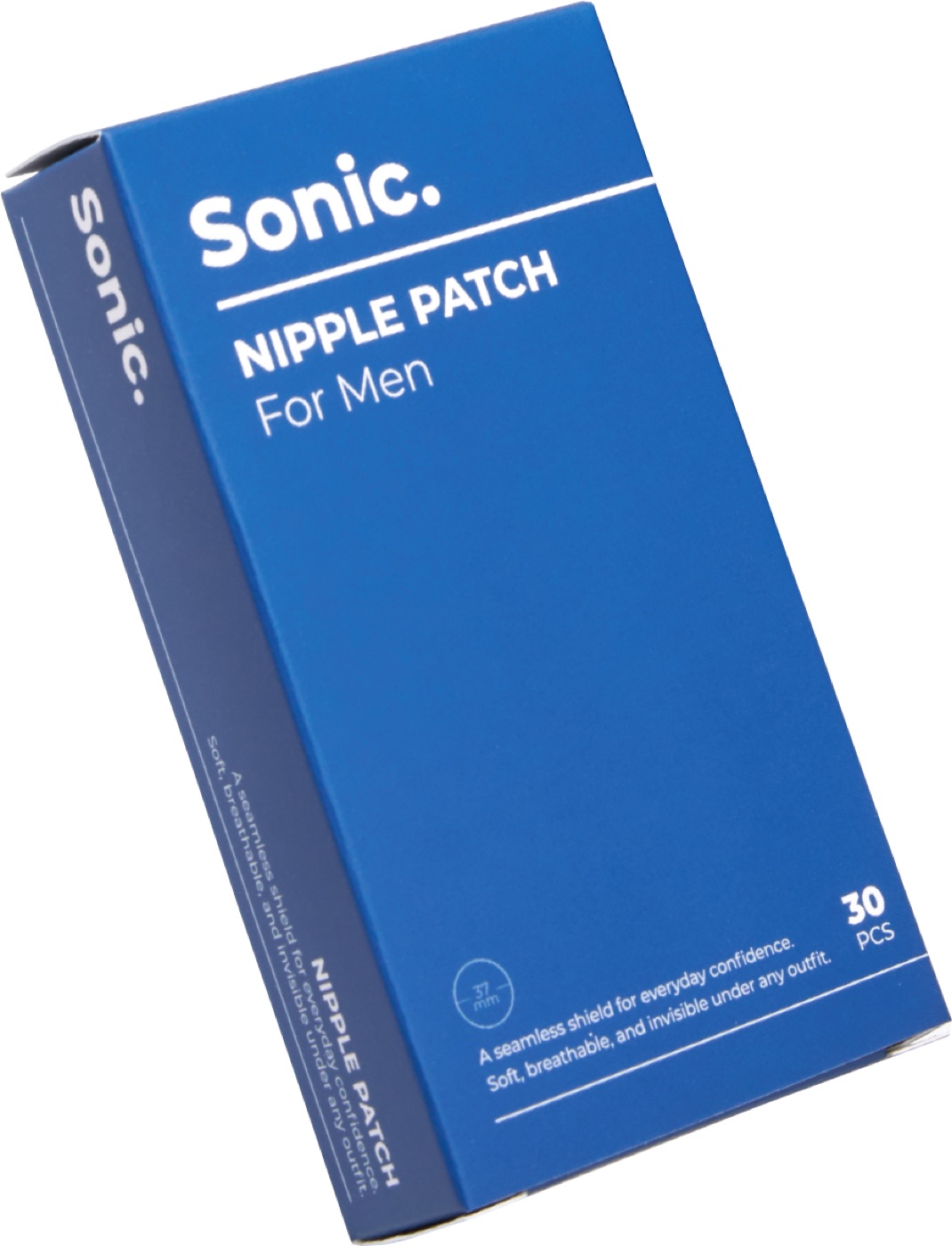
If you've been standing in front of the mirror overthinking this, you're not alone. Most men apply nipple patches wrong exactly once, feel one corner peel off halfway through lunch, and assume the patch is the problem. It's almost never the patch. It's the thirty seconds before the patch.
The actual steps
- Start dry and bare. No moisturizer, no body lotion, no leftover sunscreen, no shower-damp skin. Adhesive bonds to skin, not to lotion. If you've just showered, give your chest a minute with a towel — or a quick pass with a dry hand — before you open the pack.
- Peel the backing from one edge. Don't pull it off in the middle and touch the sticky side. Fingertip oils are the single most common reason a patch lifts early.
- Center it. Look down, not in the mirror — mirrors reverse your sense of center and people consistently land off to one side. The nipple should sit in the middle of the patch, not near an edge.
- Press outward from the center. Palm flat, ten seconds, then smooth the edges with a fingertip so there's no lip for your shirt to catch on.
- Put your shirt on last. Give it thirty seconds if you're being careful. The adhesive keeps improving for the first minute of wear.
That's the whole method. If you did it right, you'll forget they're on within five minutes — which is the actual point.
Why patches lift (and how to stop it)
Damp skin. The number one culprit. Post-shower, post-gym, humid morning — any moisture between the adhesive and your skin means the bond never fully forms.
Chest hair. You don't need to shave your chest. But a very hairy chest means the adhesive is gripping hair rather than skin, and hair moves. A quick trim of the immediate area — not a full shave, nobody wants that tan line of bare skin — makes a noticeable difference in hold and makes removal painless.
Body lotion or oil. If you moisturize daily, apply the patch first, then lotion everywhere else.
Edge-catching. A patch applied with a raised edge will get peeled by your shirt over the course of the day. That final fingertip smooth around the perimeter is not optional.
Reapplying a used patch. Once it's off, it's off. Peeling one up "just to reposition it" costs you most of its stick.
The part nobody tells you: this is a wardrobe thing
Here's what actually changes. For years you probably built your closet around a defensive rule: dark colors, thick fabrics, an extra layer, nothing thin, nothing soft, nothing pale. Every white tee you tried on in a store got put back. Grey marl? Absolutely not. That gorgeous fine-gauge merino your partner bought you sat in a drawer for two winters.
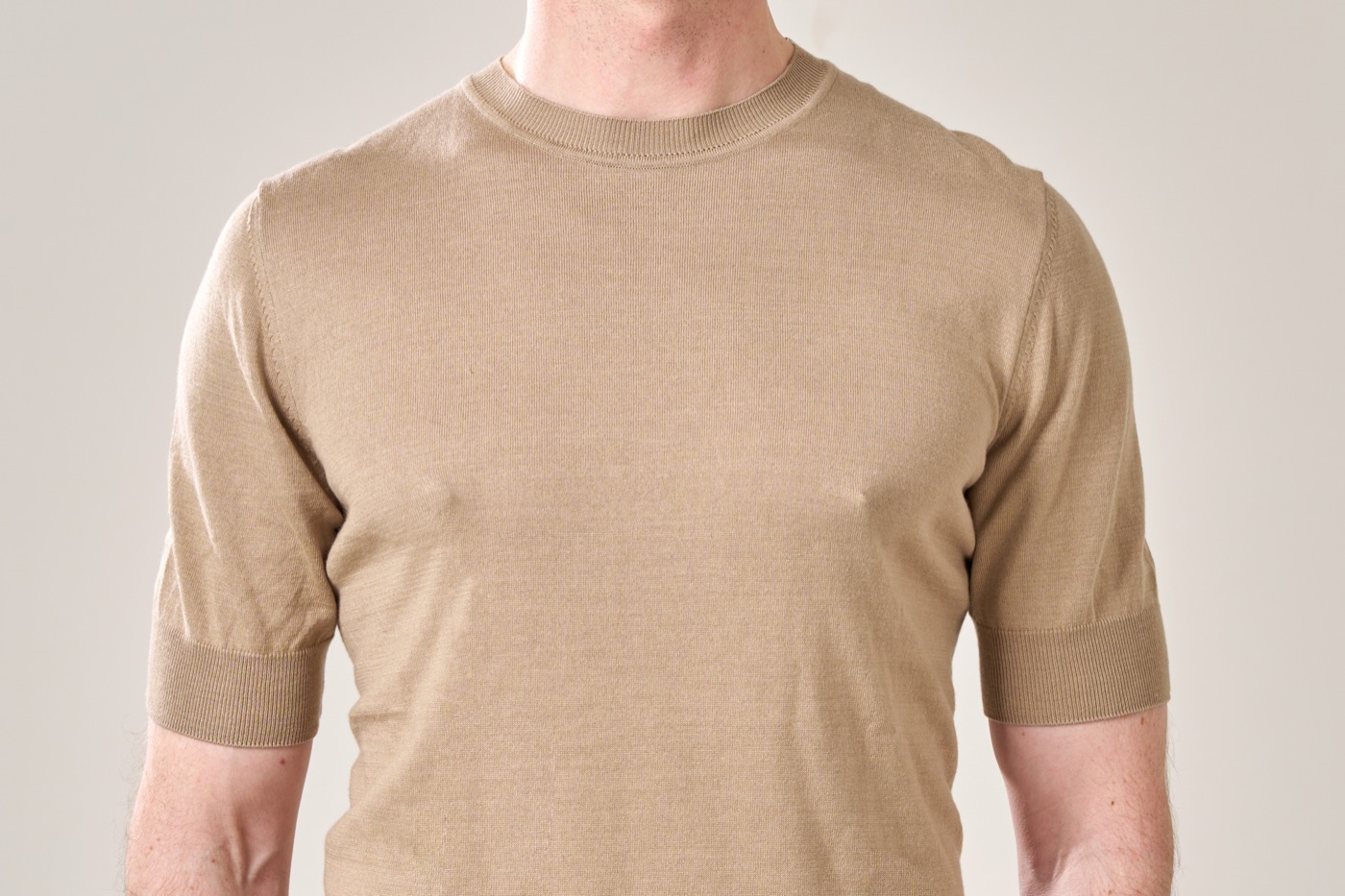
A patch takes about twenty seconds and gives you all of that back. Sonic Nipple Patches for men are thin enough to disappear under a white oxford, a linen shirt held up to afternoon light, a soft cotton tee, a cashmere crewneck with nothing underneath. No outline, no shadow, no square edges printing through the fabric like a band-aid does.
That's the trade — half a minute of prep in exchange for wearing whatever you want. Once you've done it a few times you stop thinking about it entirely, the same way you don't think about putting on a belt.
Making one pair last the whole day
- Apply before coffee, not after you're already running late. Rushing is how you get off-center.
- Don't check on them. Every time you reach under your shirt to poke at an edge, you loosen it.
- Layering helps, it doesn't replace. A patch under a thin tee beats an undershirt under a thin tee — undershirts add heat and bulk and still show a seam under anything premium.
- Removal: slow, flat, and in the direction of hair growth. Pull outward and low rather than straight up. Warm skin peels easier, so straight out of a shower at the end of the day is the gentlest moment.
The honest comparison
Fabric choice works, and it also shrinks your wardrobe to a third of it. An undershirt works, and it's miserable in July. Medical tape works, and it pulls skin coming off and shows corners under thin cotton. A band-aid works for about an hour, and then it works against you.
A purpose-built patch is the only one of these that solves the problem without asking you to give something up. That's why we make them: thin skin-tone patches designed for men's chests — not a nipple cover repurposed from someone else's product line.
FAQ
Which side of the patch goes down? The matte, skin-tone side faces out; the shiny side you peel the liner off of goes against your skin. If you're unsure, the sticky side is the one you shouldn't be touching.
Do I need to shave my chest to apply nipple patches? No. A light trim of the immediate area improves hold and makes removal more comfortable, but plenty of men with hairy chests wear patches with no prep at all.
How long do they stay on once applied correctly? A full day — work, dinner, drinks, a warm room — is the design target. Dry skin at application is the biggest variable in whether you get that or six hours.