

Job Interview Outfit for Men: What to Wear (By Company Type)
The right job interview outfit for men isn't about impressing anyone with fashion — it's about removing doubt. Interviewers form a first impression in seconds, and the goal of your outfit is simple: look like you already work there, at a level slightly above the role you're applying for. Get that right and your clothes disappear from the conversation, which is exactly where you want them.
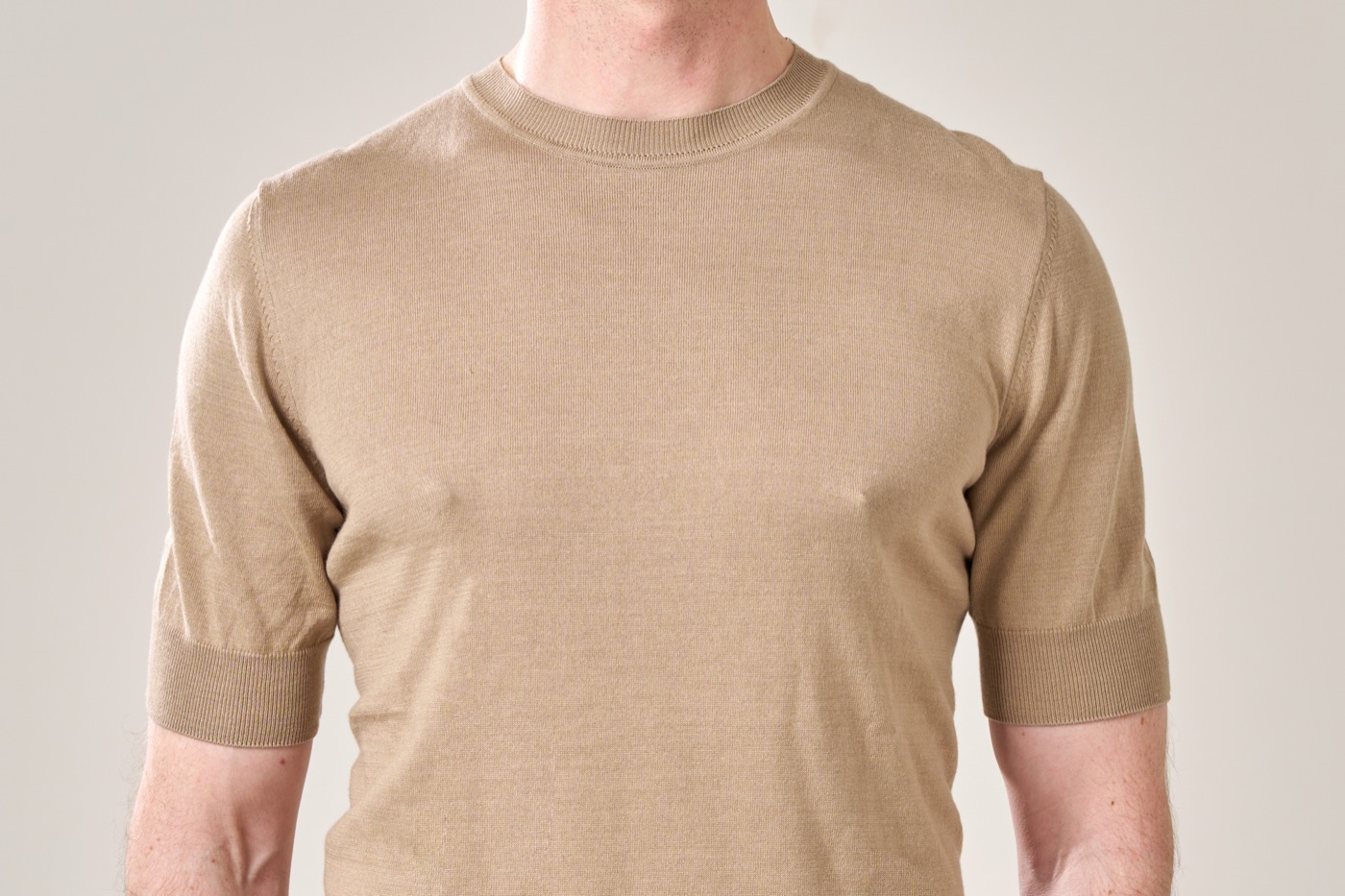
Here's how to calibrate, piece by piece.
Step 1: Match the company, then dress half a step up
Corporate (finance, law, consulting): Full business professional. Navy or charcoal suit, white or light blue dress shirt, conservative silk tie, black or dark brown oxfords. No exceptions, no "expressing yourself" — that comes after you're hired.
Business casual offices (most companies): Blazer or sport coat, dress shirt, chinos or wool trousers, leather loafers or derbies. Tie optional; bring one in your bag if you're unsure.
Startups / tech: Dark jeans or chinos, a crisp button-up or fine-knit polo, clean leather sneakers or loafers. The trap here is dressing too casually to seem relaxed — a hoodie says "I didn't take this seriously," even at a company full of hoodies.
Video interviews: Dress the top half exactly as you would in person. Solid colors beat patterns on camera, and light blue reads better than pure white under a webcam.
The reliable move when you can't tell: blazer, light blue dress shirt, grey trousers, brown leather shoes. It's never wrong at any company on earth.
Step 2: Fit is the actual outfit
Interviewers can't name why a candidate looks sharp, but it's almost always fit:
- Shoulders: The jacket seam ends where your shoulder does. This is the one thing a tailor can't fix, so buy for the shoulders.
- Sleeves: A quarter-inch of shirt cuff visible past the jacket.
- Trousers: Slight break or no break at the shoe. Pooling fabric reads as sloppy instantly.
- Shirt: Fitted through the torso without pulling at the buttons.
A $60 tailoring bill on a mid-priced outfit outperforms an expensive suit straight off the rack.
Step 3: Handle the details that betray nerves
Interviews make you sweat — that's biology, not weakness. But the physical signs of nerves are manageable, and managing them is what "composed" actually looks like:
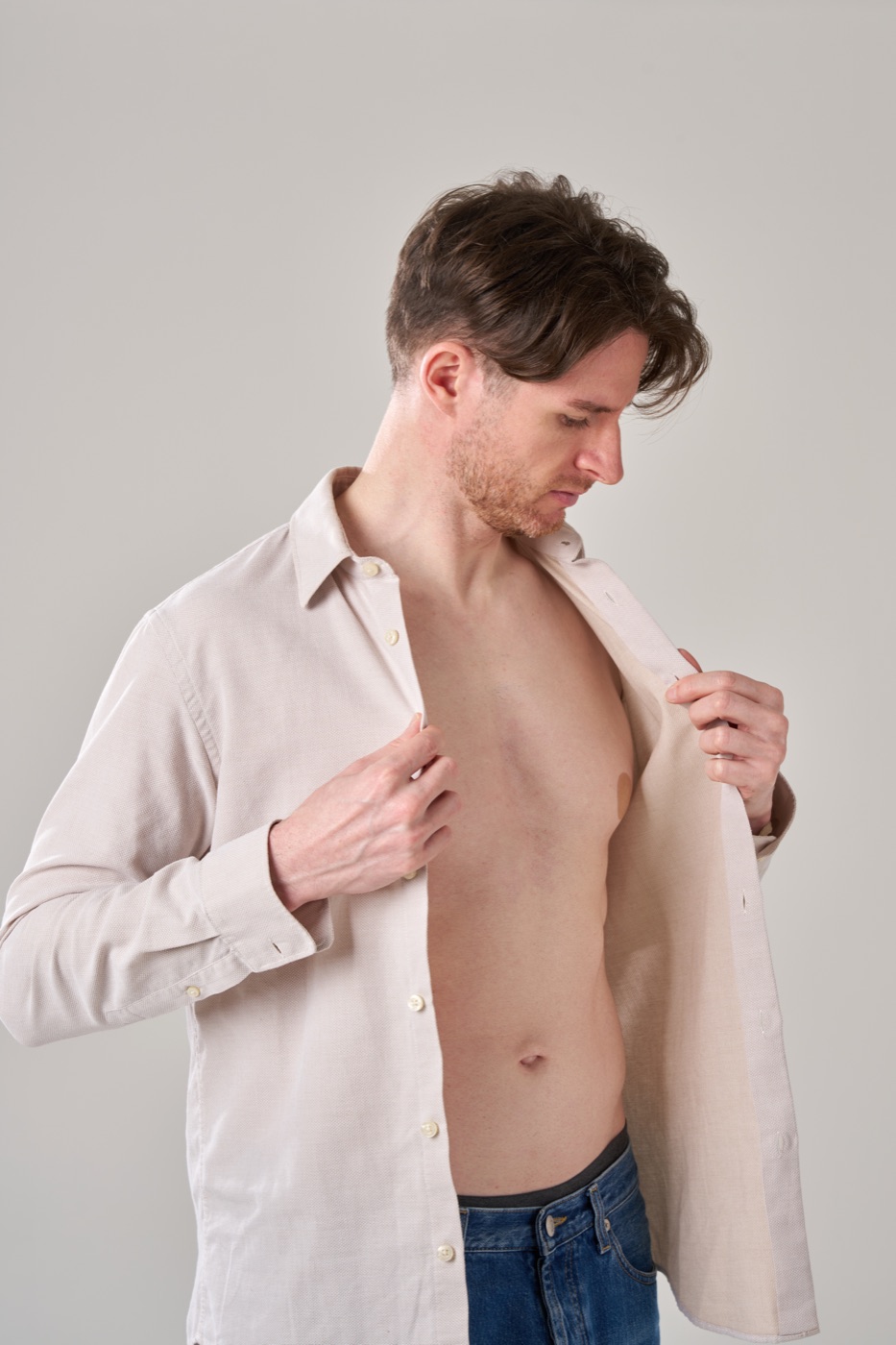
- The thin shirt problem. Interview shirts are crisp, light, and often worn without an undershirt (especially in summer, or when an undershirt would show at the collar). Thin fabric plus bright office lighting shows everything — including show-through you'd never notice in your bathroom mirror. A skin-tone nipple patch flattens the area so the shirt stays perfectly clean-looking, whether you're in a blazer or the jacket comes off in a warm conference room. You may have heard it called a nipple cover — same idea, built for men and made to hold through a stressful, sweaty hour.
- Grooming: Haircut within the last two weeks, nails trimmed, facial hair either clean-shaven or deliberately shaped.
- Shoes and belt: Polished, matching, and not the crumbling pair you wear to everything.
- Fragrance: One spray or none. A small interview room amplifies everything.
The pattern in all of these: nobody compliments them, but everyone notices their absence. A thin patch under a dress shirt belongs in the same category as ironing — invisible preparation that makes the visible stuff work.
What about second and third rounds?
Don't downshift. Candidates often relax their outfit once they've "made it past the screen," but later rounds usually mean more senior interviewers, not more casual ones. Repeat the same level of formality with a different shirt or tie — showing up equally sharp twice reads as consistency, which is precisely the trait they're trying to assess. For a panel or final round, err one notch dressier than round one, never one notch down.
Step 4: The night-before checklist
- Outfit tried on fully, together, not just mentally assembled
- Shirt ironed, patch and lint roller done in the morning
- Shoes polished, bag or portfolio clean
- Backup: tie in the bag, stain pen in the pocket
- Route planned so you're not the sweaty guy who ran from the parking lot
FAQ
Should I wear a suit to an interview at a casual company? A full suit can read as tone-deaf at a startup. Instead, do their dress code plus half a step: if they wear tees, you wear a crisp button-up; if they wear button-ups, add a blazer.
Do I need an undershirt under my interview shirt? Only if it's truly invisible — no collar peeking out, no sleeve lines. In warm weather, skipping the undershirt and using a thin nipple patch keeps the shirt looking clean without the extra heat.
What colors are best for a job interview? Navy, charcoal, grey, white, and light blue. They read as competent and calm. Save black for formal events and personality colors for after you've got the offer.