

Mens Nipple Patches: What Actually Separates Good From Bad
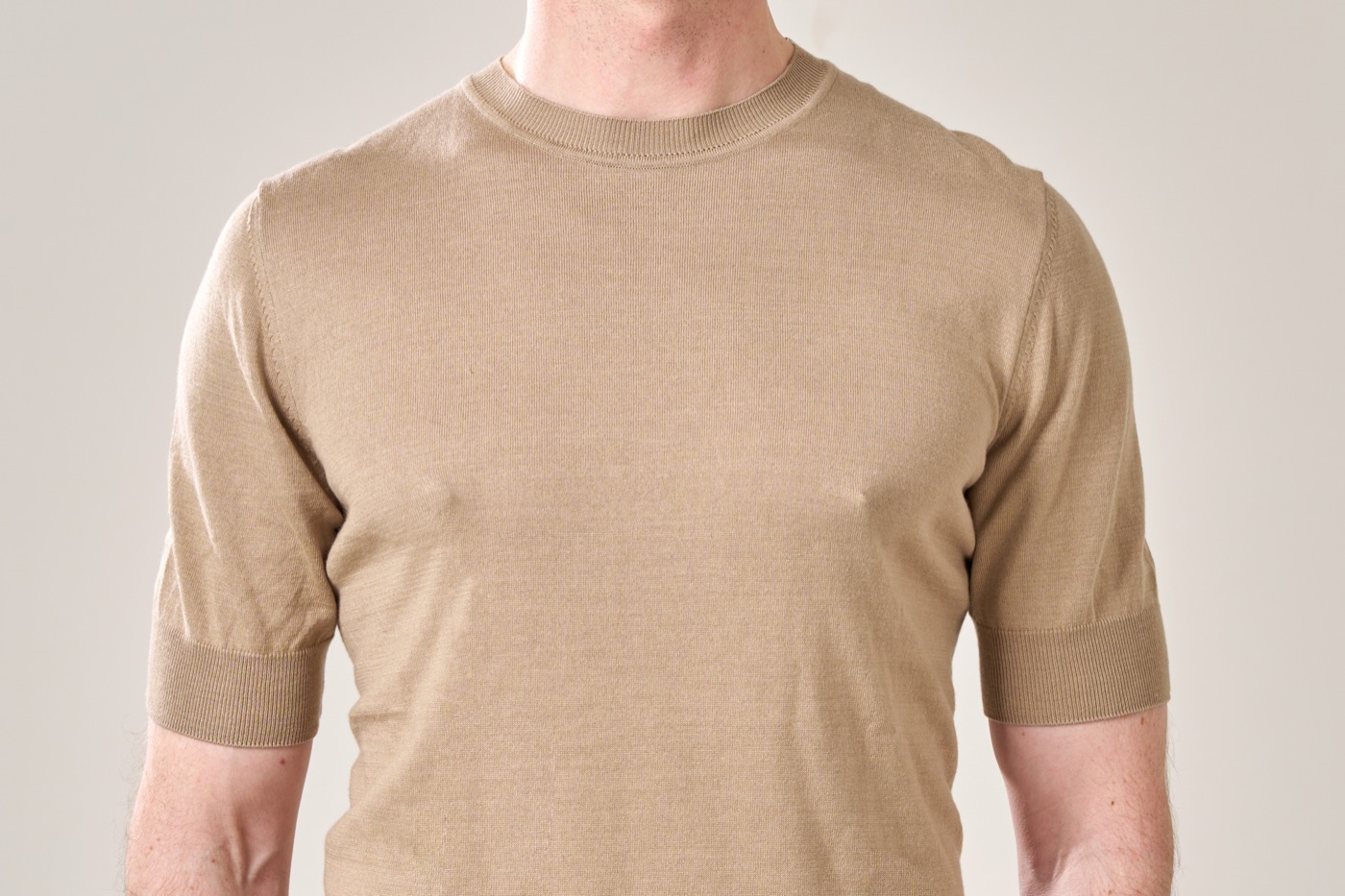
Most guys buy their first pack of mens nipple patches for one reason: there's a shirt in the closet they've stopped wearing. A white tee that fits perfectly. A pale blue oxford. That cashmere crewneck someone gave you two Christmases ago that's still folded with the tag on. You put it on, you look down, and you reach for something black and thick instead.
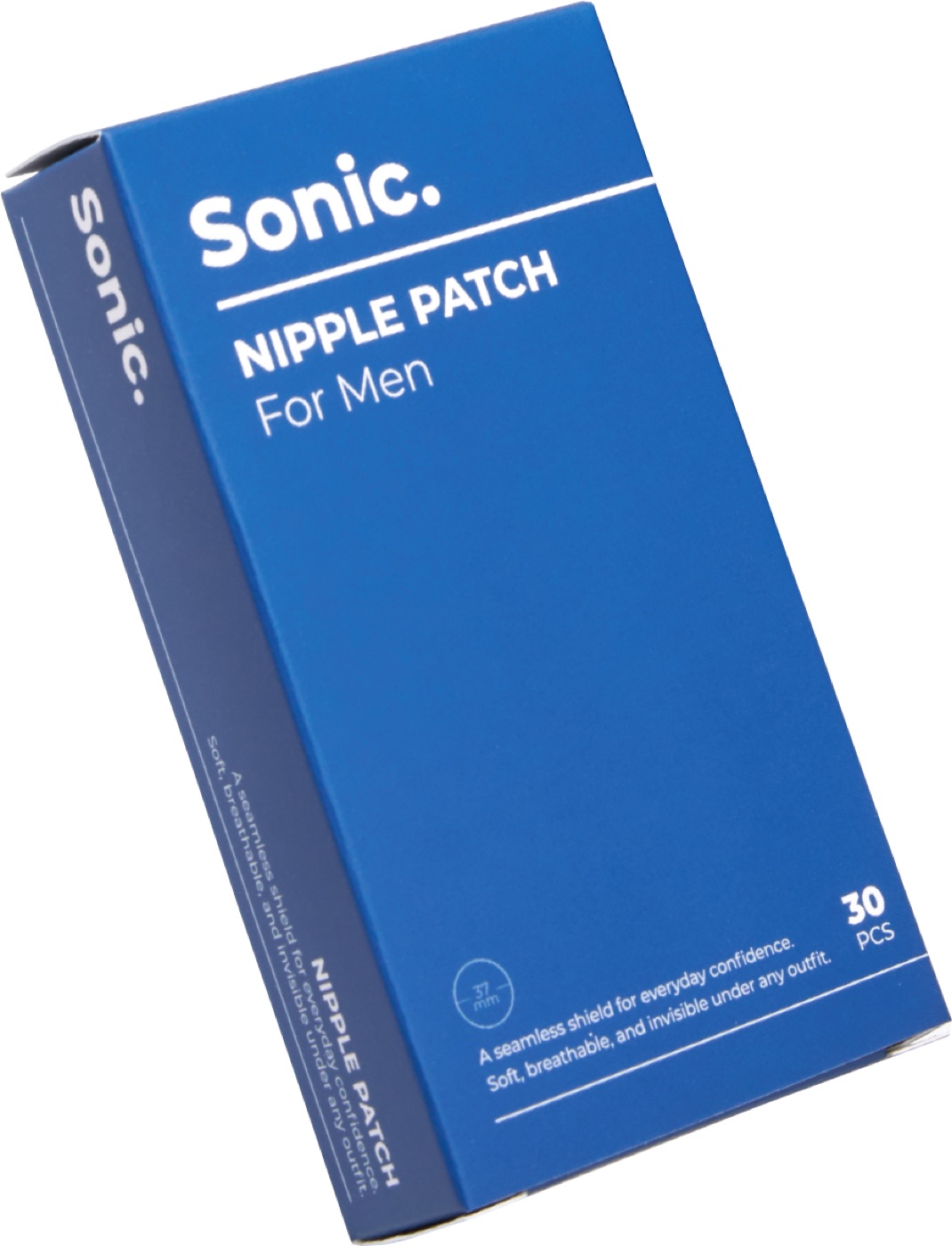
The patch is a two-second fix for that. But not all of them are — plenty of what's sold online is repackaged women's product, or a bulky disc that solves show-through by creating a different, weirder show-through. Here's what to actually look for, and why each thing matters once you're dressed.
1. Thickness — the whole game
This is the spec that decides everything. A patch that's too thick doesn't hide an outline; it replaces it with a circle. Under a white tee in daylight, a 1mm foam disc reads as a small hockey puck.
What you want is thin enough that the fabric drapes over it the same way it drapes over skin. If you can feel a distinct raised edge through the shirt with your fingertip, so can everyone looking at you across a table. Thin is not a nice-to-have here — it's the product.
2. A tapered edge, not a cut edge
Related but separate. A patch can be thin in the middle and still betray you at the perimeter if the edge is a clean vertical cut. Thin fabric catches on that lip and draws a faint ring.
Good patches feather out — the edge thins toward nothing so there's no step for the fabric to find. Run your thumb off the side of the patch. It should feel like the edge disappears rather than stops. Our men's nipple patches are built around this specifically, because the white-tee test is the only test that matters.
3. Skin tone that's actually close to yours
Under a white or light shirt, the patch color shows through more than you'd think — especially in sunlight or under office fluorescents, which are unforgiving in different ways. A patch that's several shades off your skin reads as a pale spot, which is exactly the thing you were trying to avoid.
Check what tones a brand offers before you buy. "One size, one color" is a red flag that the product was designed for a photo, not for wear.
4. Adhesive that survives a full day, not a photo shoot
Two failure modes here, and they're opposites.
Too weak: it lifts at the edge by lunch. You feel it peel, you spend the afternoon pressing it back down through your shirt at your desk, and you've now made the problem worse than it started.
Too aggressive: it holds beautifully and then takes a layer of you with it. Anything marketed as "extreme hold" or repurposed medical tape falls here. Removal shouldn't be an event.
The right adhesive is skin-safe, holds through a normal day — meetings, a commute, a warm restaurant — and comes off in one motion without a countdown.
5. Matte finish
Undersold spec. Some patches have a faint sheen, which is invisible on the packaging and very visible under a thin white shirt when you walk past a window. Matte only.
6. Enough patches per pack to actually use them
If a pack has four pairs, you'll ration them and keep wearing the black tee. The whole point is that you stop thinking about it — which only happens when there are enough in the drawer that reaching for one isn't a decision.
What this unlocks in your closet
Here's the part nobody puts on the packaging. Guys who've been self-conscious about this have usually built an entire wardrobe around avoiding it: dark colors, heavier cotton, an undershirt in July, a jacket they don't take off. It's a real constraint and it's been quietly running your shopping for years.
Patches don't just fix one shirt. They give you back the categories you'd written off:
- White and light-grey tees — the ones that show everything
- Dress shirts in poplin and fine oxford — especially unlined pale blue and white
- Merino and cashmere knits — soft, clingy, no structure to hide behind
- Polos — thin jersey polos in particular
- Linen — worse than people expect, because it's semi-sheer
- Anything colored and lightweight you've been walking past in stores
That's the actual purchase. Not a patch — a closet that isn't organized around a worry.
The short version
Thin, tapered edge, matched skin tone, matte, skin-safe adhesive, and enough of them that you don't ration. If a product is vague about the first three, it's not built for wearing under a white shirt — it's built for showing up in search results. The Sonic Nipple Patch was designed against that checklist, for men, with the white tee as the benchmark.
Put one on. Put the shirt on. Forget about it. That's the whole experience, and it's a strangely large upgrade for something that weighs nothing.
FAQ
Will nipple patches show under a thin white t-shirt? A good one won't. It comes down to thickness and edge taper — a thin patch with a feathered edge lets the fabric drape flat, while a thick disc with a cut edge creates a visible circle. If you're testing a pair, white tee in daylight is the benchmark.
How long does one patch last? Through a normal full day — work, commute, dinner. Sonic patches are single-use by design, which is why pack size matters: you want enough that wearing one is automatic rather than something you budget for.
Do they hurt to remove? No. A skin-safe adhesive holds all day and peels off cleanly. If a patch stings coming off or leaves residue, the adhesive is wrong for skin — that's a product problem, not something to tough out.