

How to Choose Nipple Patches for the Gym (and Everywhere Else You Wear a Shirt)
If you've started looking up nipple patches for the gym, you already know the feeling: a thin performance tee, a bright training top, some fabric that clings when you sweat — and suddenly there's an outline you'd rather not broadcast between sets. A good nipple patch fixes that in about three seconds. But here's the thing most guys figure out fast: once you own a patch that actually works, you stop thinking about the gym and start thinking about your entire wardrobe.
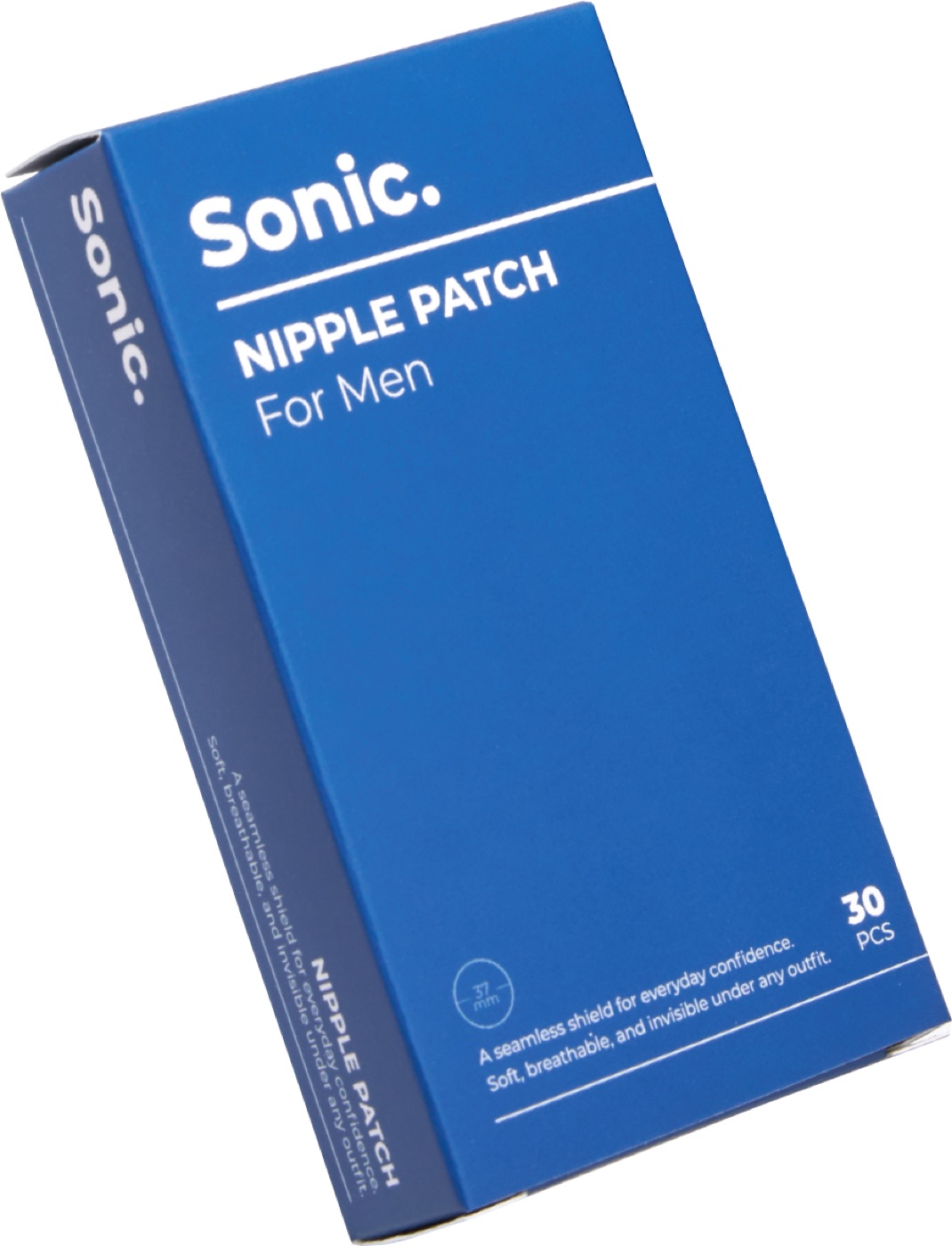
That's the real reason to get picky about which one you buy. So before you grab the first pack you see, here's what actually separates a good nipple patch from a bad one — and why those differences matter more for how you dress than you'd expect.
First, what a nipple patch actually is
A nipple patch is a thin, skin-tone adhesive that sits flush against your skin and flattens the area so nothing shows through your shirt. That's it. No bulk, no hardware, no undershirt sweatband situation. You put it on, forget about it, and peel it off at the end of the day. Some people call it a nipple cover; same idea. The whole job is to disappear.
The gym is where a lot of guys discover they need one, because gym fabrics are the worst offenders — thin, stretchy, and prone to going see-through with sweat. But a patch that only survives a workout and quits on you by lunch isn't worth owning. The good ones do both.
What to look for in a good nipple patch
Not all patches are built the same. Here's what actually matters when you're comparing options.
Thinness. This is the whole game. A patch that's even slightly thick creates its own outline — you've just traded one bump for a suspicious circle. The best patches taper at the edges so there's no visible rim, even under thin white cotton. If you can see where the patch ends, so can everyone else.
Skin-tone matching that isn't a single beige. Skin isn't one color. A patch that only comes in "generic tan" defeats the purpose if it reads as a pale disc under a fitted tee. Look for a tone that actually blends against your skin rather than sitting on top of it like a sticker.
Adhesive that holds through sweat — and comes off clean. This is where gym use is a genuinely useful stress test. If a patch survives a heavy session without peeling at the corners, it'll survive anything your day throws at it. But holding on is only half of it. Cheap tape and band-aids hold fine and then take a layer of skin with them. A good patch uses a skin-safe adhesive that stays put all day and peels off without the wince. That combination — grip plus gentle removal — is the hardest thing to get right and the clearest sign of a quality patch.
Breathability. Something stuck to your chest for eight hours through a workout needs to let your skin breathe. Non-breathable materials get clammy and irritated. This is easy to overlook until you've worn a bad one.
You can see how the Sonic Nipple Patch for men handles all four — it's built thin, skin-tone, sweat-resistant, and made to peel off clean.
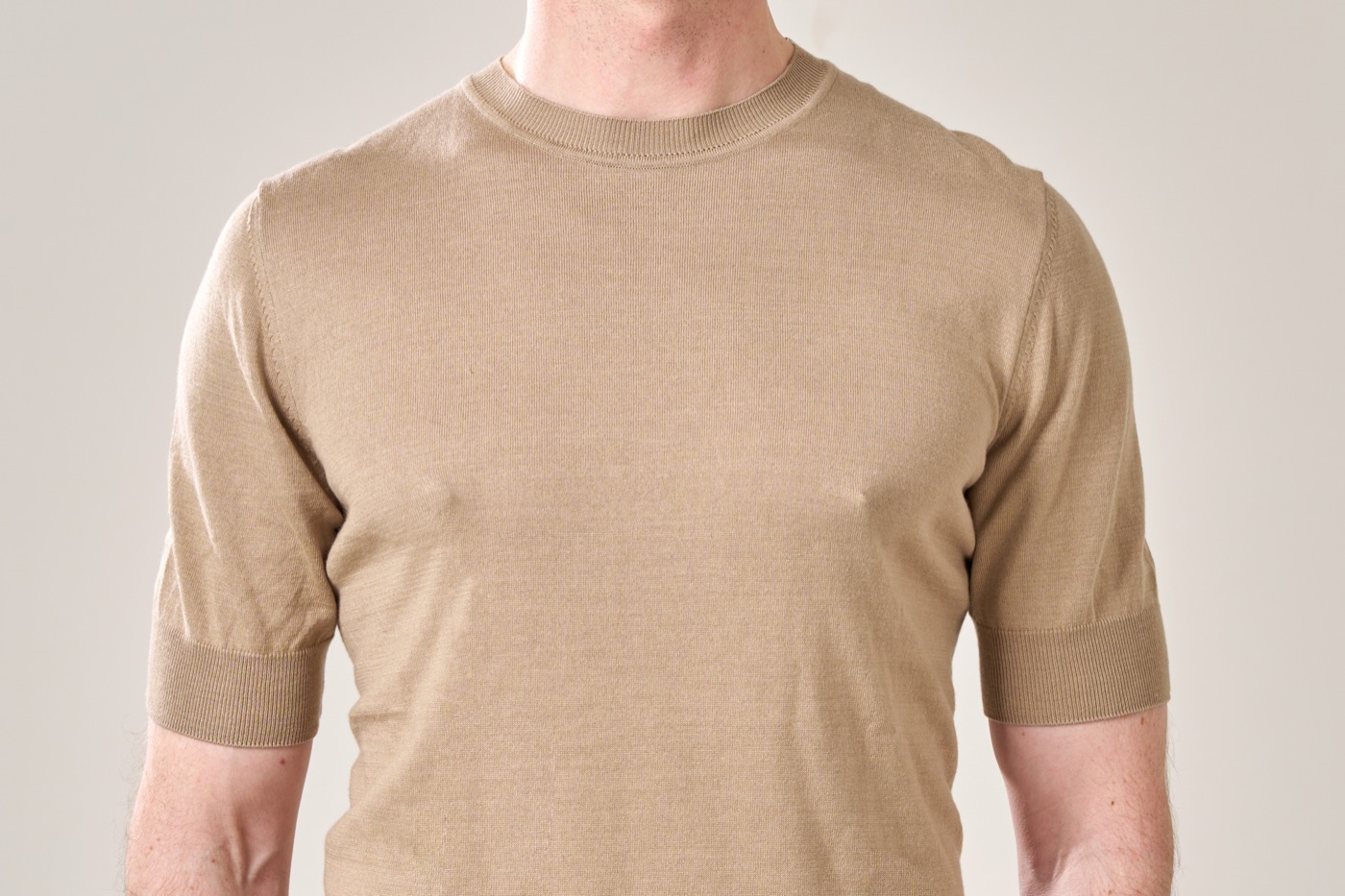
Why this matters more for your wardrobe than your workout
Here's the part nobody tells you when you're searching for gym patches.
Most guys who deal with show-through don't just avoid thin gym shirts. They've quietly edited their whole wardrobe around the problem. Black instead of white. Thick oxford cloth instead of soft cotton. A jacket kept on "just in case." The good white tee stays folded. The cashmere crewneck, the linen shirt for summer, the pale polo, the bright color you actually liked in the store — all sidelined, because thin and soft and premium are exactly the fabrics that show everything.
A patch that genuinely disappears gives that whole side of your closet back. Suddenly the white t-shirt is just a white t-shirt. The dress shirt under office lighting is fine. The knitwear you were scared of is a non-issue. That's why the "good vs. bad patch" distinction matters so much — a mediocre patch you don't fully trust keeps you in the same defensive wardrobe. A patch you do trust changes what you're willing to put on in the morning.
The gym is the low-stakes place to prove it works. Where it pays off is the white shirt you wear to everything else.
What to skip
A quick word on the improvised versions, since they'll come up. Band-aids are bulky, show up as squares under thin fabric, and pull on removal. Regular tape doesn't breathe and can irritate skin. Layering a thick undershirt works but it's hot, adds bulk, and does nothing under a t-shirt itself. These are stopgaps. A purpose-built patch is thinner, more comfortable, and actually designed for the job — which is why it's worth buying the real thing instead of raiding your first-aid kit.
The bottom line
If you're buying nipple patches for the gym, judge them on four things: how thin they are, how well the tone blends, whether the adhesive holds through sweat and still peels clean, and whether they breathe. Get all four right and you've solved a lot more than your workout shirt. Browse the Sonic Nipple Patch built for men and get your full wardrobe back — starting with the stuff you've been avoiding.
FAQ
Will nipple patches stay on through a full workout? A quality patch uses a skin-safe adhesive designed to hold through heavy sweat and a full day of wear — the gym is actually one of the easier tests for a good one. Corner peeling mid-session is a sign of a cheap patch, not a normal outcome.
Are gym nipple patches the same as ones for everyday shirts? Yes — a good patch is the same product either way. If it's thin, skin-tone, sweat-resistant, and peels off clean, it works just as well under a white tee or a dress shirt as it does under a training top.
Do nipple patches hurt to take off? No — a well-made patch peels off cleanly without pulling skin, unlike band-aids or medical tape. That gentle removal is one of the main things separating a good patch from an improvised fix.