

Nipple Patches for Running: What to Actually Look For
If you've been searching for nipple patches for running, you already know the annoyance — the rub, the raw spots, the two little dots showing through a light training shirt at mile four. A good patch fixes all of that and you forget it's there. A bad one peels off in the first kilometer, rolls up into a lump, or leaves a rectangle you can see from across the gym. They are not all the same, and the differences are easy to spot once you know what you're looking at.
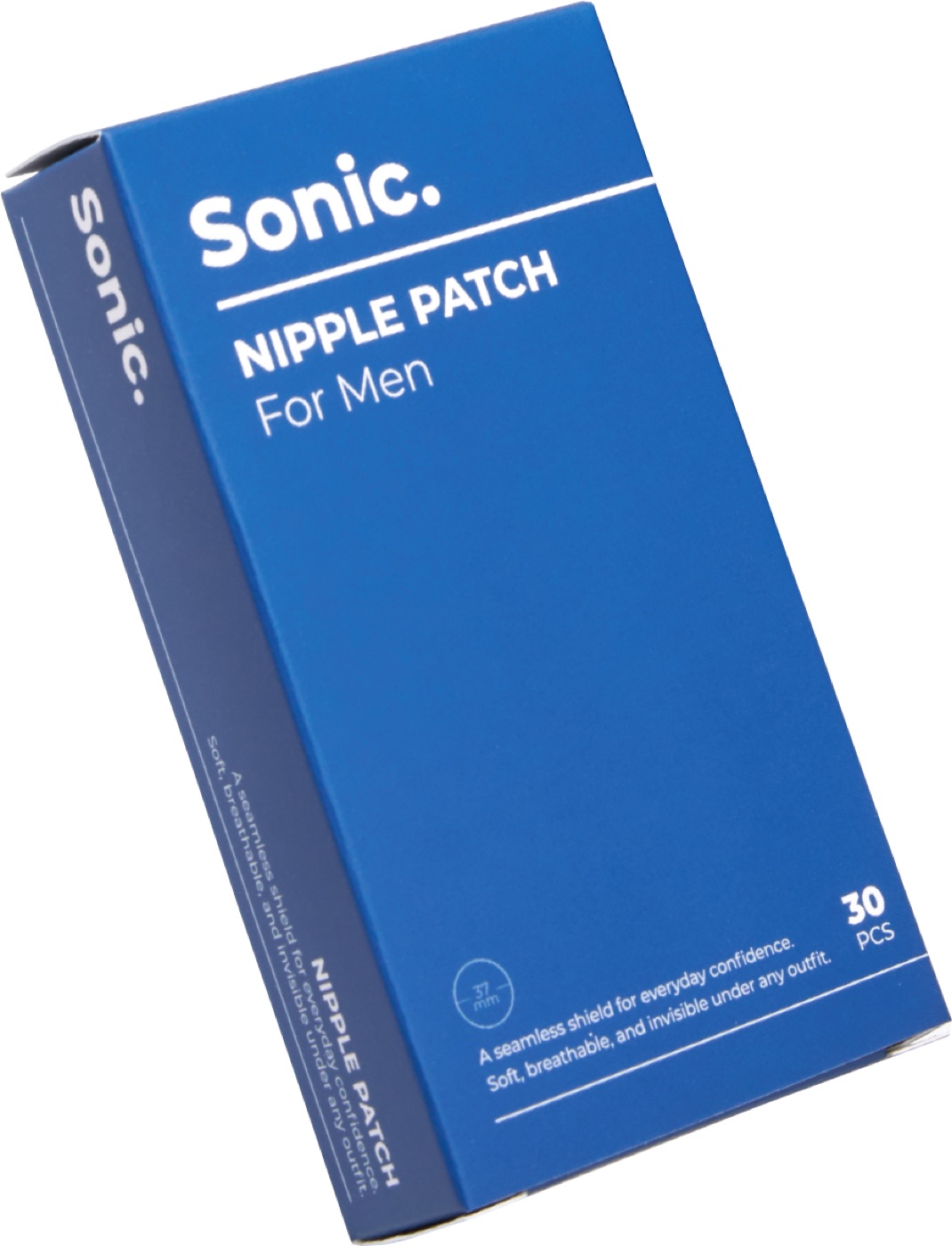
Here's the honest buyer's guide: what separates a patch worth wearing from one that'll frustrate you, and why each thing matters — not just on a run, but for everything else you'll end up wearing it under.
Adhesive: the whole thing lives or dies here
This is the first and most important test. Running means sweat, heat, and a shirt moving against your skin for an hour or more. A patch with a weak adhesive lifts at the edge, catches on fabric, and by the end of your run it's balled up in your shirt.
What to look for: a skin-safe medical-grade adhesive rated to hold through sweat, not a craft-sticker glue that quits the moment it gets damp. The tell is in how a brand talks about it — if the product page is vague about sweat and all-day hold, assume it fails at both. The Sonic Nipple Patch is built around exactly this: it's made to stay flush through a full workout and a full day, then peel off clean without taking skin or hair with it. That last part matters more than people expect — an aggressive adhesive that holds great but hurts coming off is its own kind of bad.
Thickness: thin enough to disappear
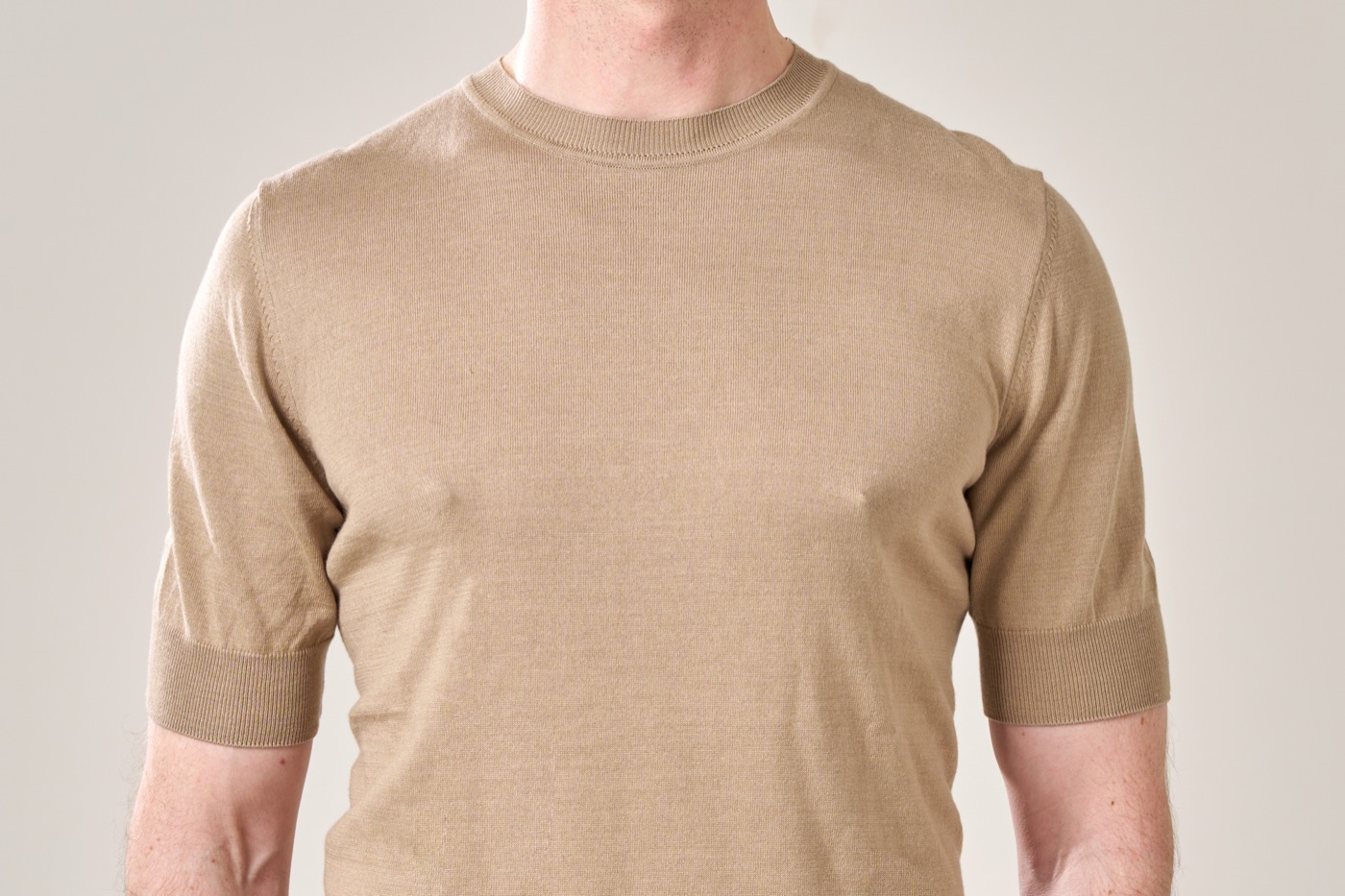
A thick patch protects you but announces itself. Under a fitted running shirt — especially a light gray or white technical fabric — a bulky patch reads as an obvious raised circle. You solved the chafe and created a new visibility problem.
What to look for: a genuinely thin profile with a tapered, feathered edge rather than a hard cut line. The edge is where cheap patches give themselves away — a thick rim shows through fabric and lifts first. Thin-and-tapered is what lets the same patch work under a race singlet and under a white tee on a normal day.
Skin-tone match: it shouldn't peek
On a run this matters less than at brunch, but it still matters — technical fabrics are often thin and light-colored, and a mismatched patch shows as a pale disc under a sweaty shirt. A decent patch sits close to your skin tone so that even if the fabric goes semi-sheer, there's nothing to see.
This is where buying a patch made for men pays off. Products designed for the job are shaped and toned to disappear on a man's chest instead of being a repurposed women's product in the wrong size. You can see the men's-specific version at Sonic Mens' nipple patches for men.
Size and shape: sized for a man's chest
A lot of "nipple cover" options online are small and round because they were designed for a different body. On a run, too-small coverage means the edge sits right where the friction happens and it rubs loose. Look for a patch sized to actually cover and protect the area with margin — big enough to stay put, contoured enough to lie flat.
Reusable vs. single-use: know what you're buying
Some patches are one-and-done; others are engineered to be worn, washed, and reused. Neither is wrong, but know which you're getting so you're not surprised at the price-per-wear. For a regular runner, a durable reusable patch is usually the better economics — and less waste in your gym bag.
Why this matters beyond the run
Here's the part most running guides skip. The reason to get a good patch isn't only the run — it's everything the run used to make you avoid. A lot of guys end up with a wardrobe quietly built around hiding: only black shirts, only thick fabrics, a jacket kept on just in case. The white tee stays folded. The soft cashmere sweater, the crisp white dress shirt, the linen shirt on a hot day, the bright polo — all skipped, because thin and premium fabrics are exactly the ones that show everything.
The same qualities that make a patch good for running — thin, skin-toned, stays put, disappears under fabric — are what give that wardrobe back. Buy the patch to stop the chafe; keep wearing it because for the first time you can put on the white shirt and not think about it once. That's the actual upgrade, and it's why a running-driven purchase tends to become an everyday one. Worth choosing a patch that's good enough to earn that second job.
The short version
Judge a running nipple patch on five things: adhesive that survives sweat, a thin tapered edge, a skin-tone match, a size made for a man's chest, and whether it's reusable. Get those right and the patch vanishes — on the run and everywhere after it.
FAQ
Will nipple patches stay on during a long, sweaty run? A quality patch will. The thing to check is the adhesive — look for skin-safe, sweat-rated hold, not a light stick-on. A properly made patch holds flush through a long run and still peels off cleanly afterward.
Will the patch show through a thin running shirt? Not if it's thin with a tapered edge and matched to your skin tone. Bulky patches with a hard rim show as a raised disc; a thin, feathered, skin-toned patch stays invisible even under light technical fabric.
Can I use the same patch off the track? Yes — that's the point. The same thin, skin-toned patch that stops chafe on a run is what lets you wear white tees, dress shirts, and knitwear without anything showing. Most guys buy it for running and keep it for the rest of their wardrobe.