

Nipple Patches for Formal Wear: What to Look For
Formal wear is the hardest test a nipple patch will ever face. A white poplin dress shirt under warm reception lighting is basically a lightbox — it shows everything, including whatever you stuck on to hide the thing you were trying to hide. If you've ever spent a wedding with your jacket buttoned in August because you didn't trust your shirt, this guide is for you. Not all nipple patches for formal wear are built the same, and the differences are easy to spot once you know what you're looking at.
Here's what actually matters, in the order it matters.
1. Thickness — the whole game
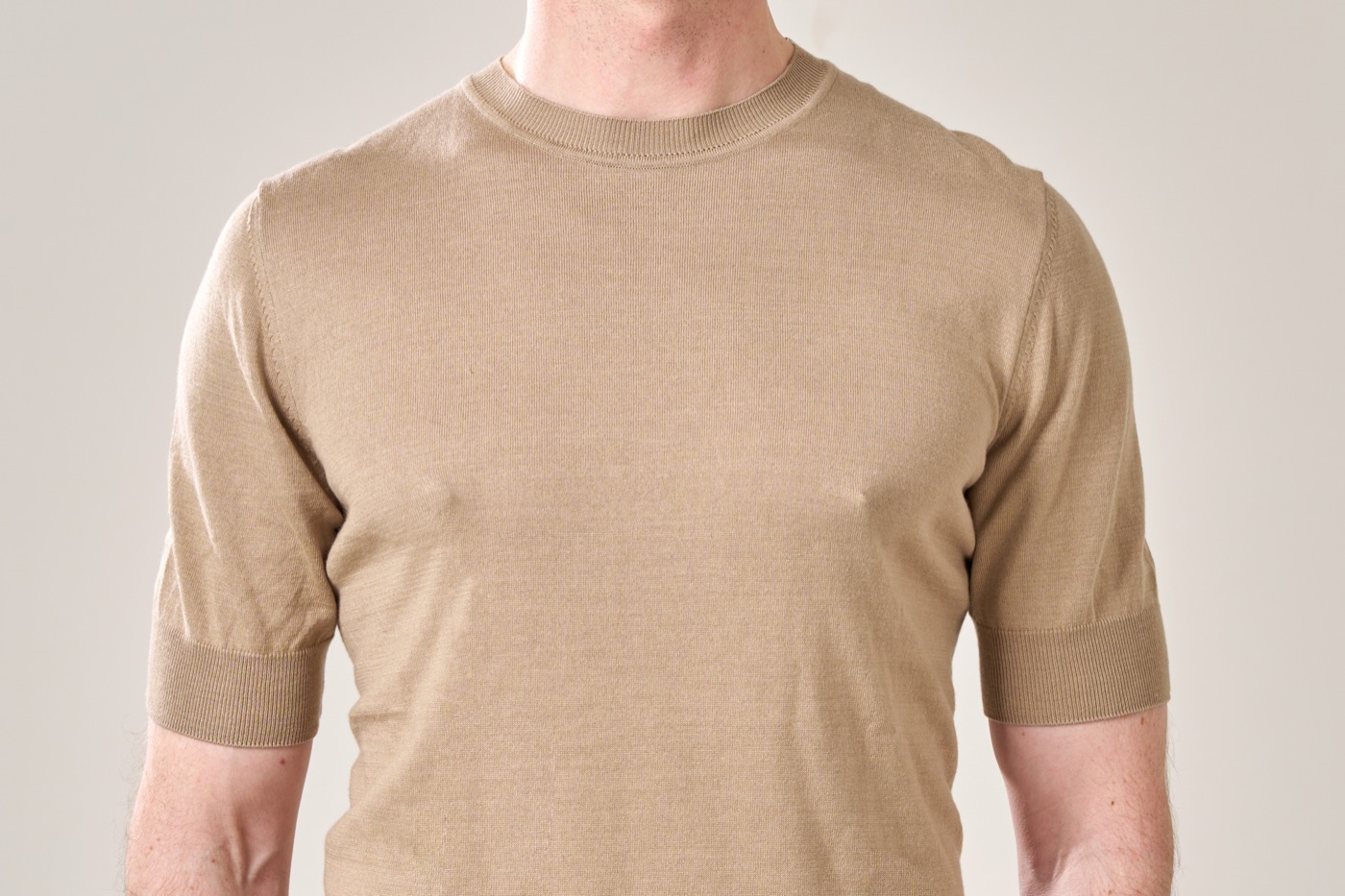
Under a t-shirt you can get away with a bit of padding. Under formal wear you can't. Fine cotton lies flat against skin, so anything with real thickness reads as a raised disc — you've traded a small outline for a bigger, weirder one.
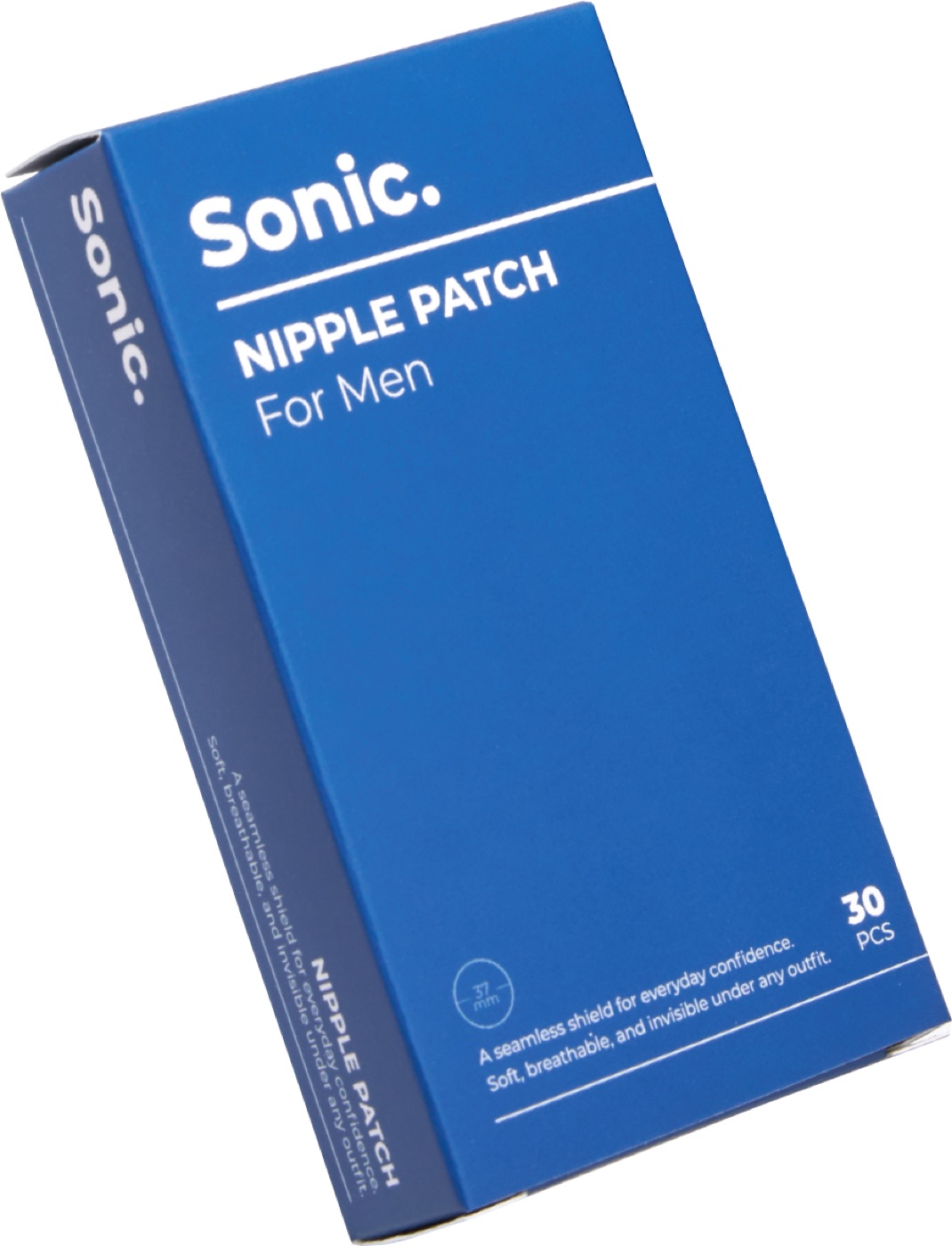
What to look for: a patch you can barely feel between two fingers. If it has any structure, foam layer, or "cushioning," it's built for the wrong job. The Sonic Nipple Patch is made to be thin enough that a 100s-count dress shirt lies flat over it, which is the only standard that counts here.
2. Tapered edges, not cut edges
This is the detail almost nobody checks before buying, and it's the one that gives cheap patches away. A patch die-cut with a blunt edge creates a hard circular line where it stops. Under a suit jacket you'd never notice. Under a thin white shirt at a rehearsal dinner, you get a faint ring — and a ring looks more deliberate than the original problem.
Look for a feathered or tapered edge that thins toward the perimeter so it blends into skin instead of stopping abruptly. Run a fingertip from your chest onto the patch: you should feel a ramp, not a step.
3. Matte finish — because formal lighting is unforgiving
Reception venues, ballrooms, and conference stages all light you from above. Anything with a sheen catches that light through thin fabric. Silicone-heavy patches are the usual offender: great adhesion, slightly glossy, and they can read as two faint bright spots on camera.
For formal wear, matte beats everything. If you're going to be photographed — and at a wedding you will be, several hundred times — this is not a small consideration.
4. Skin tone that's close enough
Under an opaque navy suit shirt, tone barely matters. Under white or pale blue, it does. Thin fabric transmits enough light that a mismatched patch shows as a slightly different shade. You don't need a perfect match; you need "close enough that light passing through doesn't create contrast." Aim for a shade at or slightly below your natural chest tone — going darker disappears better than going lighter.
5. Adhesive that survives a long night
Formal events are long, warm, and involve more movement than you'd expect — dancing, hugging relatives, sitting through four courses in a wool jacket. A patch that holds for two hours is a patch that fails at hour six, usually while you're on a dance floor with no way to check.
What to look for: a skin-safe medical-grade adhesive rated for all-day wear that peels off cleanly. The test isn't whether it sticks; it's whether it stays put when you've sweated slightly and then cooled down, which is the cycle that lifts weak adhesives.
What this actually changes about how you dress
Here's the part the spec list undersells. Most men who deal with this have quietly built a wardrobe around avoiding it. Thick oxford instead of fine poplin. Charcoal instead of white. The jacket stays on all night. Undershirts in July. You stop shopping for what you like and start shopping for what's opaque.
Getting this handled gives that range back. A crisp white dress shirt with the jacket off. A pale blue tuxedo shirt. A fine-gauge merino crewneck under a blazer, no undershirt, because you don't need the extra layer to hide anything anymore. A linen shirt at a summer wedding. That's the real purchase — not a patch, but the twenty shirts in your closet you stopped wearing.
Quick buying checklist
- Thin enough to disappear under fine cotton — no padding, no structure
- Tapered edges so there's no visible ring
- Matte, non-reflective finish for photos and overhead light
- Skin-toned, matched at or slightly below your chest tone
- All-day medical-grade adhesive that peels off clean
- Individually sealed so you can throw a spare in a jacket pocket
If you want one that's built to all six, start with the Sonic Nipple Patch for men — it was designed specifically for thin, premium fabrics rather than adapted from a women's nipple cover.
FAQ
Will a nipple patch show under a white dress shirt? A well-made one won't. The two things that give patches away under white are thickness and a hard cut edge — a thin, tapered, matte patch in a close skin tone stays invisible even under fine poplin in bright light.
Do I still need an undershirt if I'm wearing patches? No, and that's mostly the point. Patches solve the show-through directly, so you can skip the extra layer at a summer wedding or under a slim-fitting dress shirt where an undershirt would bunch.
How long do they last during a long event? A quality patch with medical-grade adhesive is rated for a full day — ceremony through last dance. Apply to clean, dry skin (skip moisturizer or body lotion on your chest that morning) and it'll hold. Tucking a spare pair in your jacket pocket costs you nothing.