

Nipple Patches for a Polo Shirt: What to Look For
Polos are the trap. Everyone assumes a polo is "safe" because piqué has texture — then you buy a nice one in pima cotton or a soft jersey knit, put it on, and realize it clings exactly where you don't want it to. Nipple patches for a polo shirt solve that, but not all of them do it well. A bad patch under a polo is arguably worse than no patch: you've traded a soft outline for two visible discs.
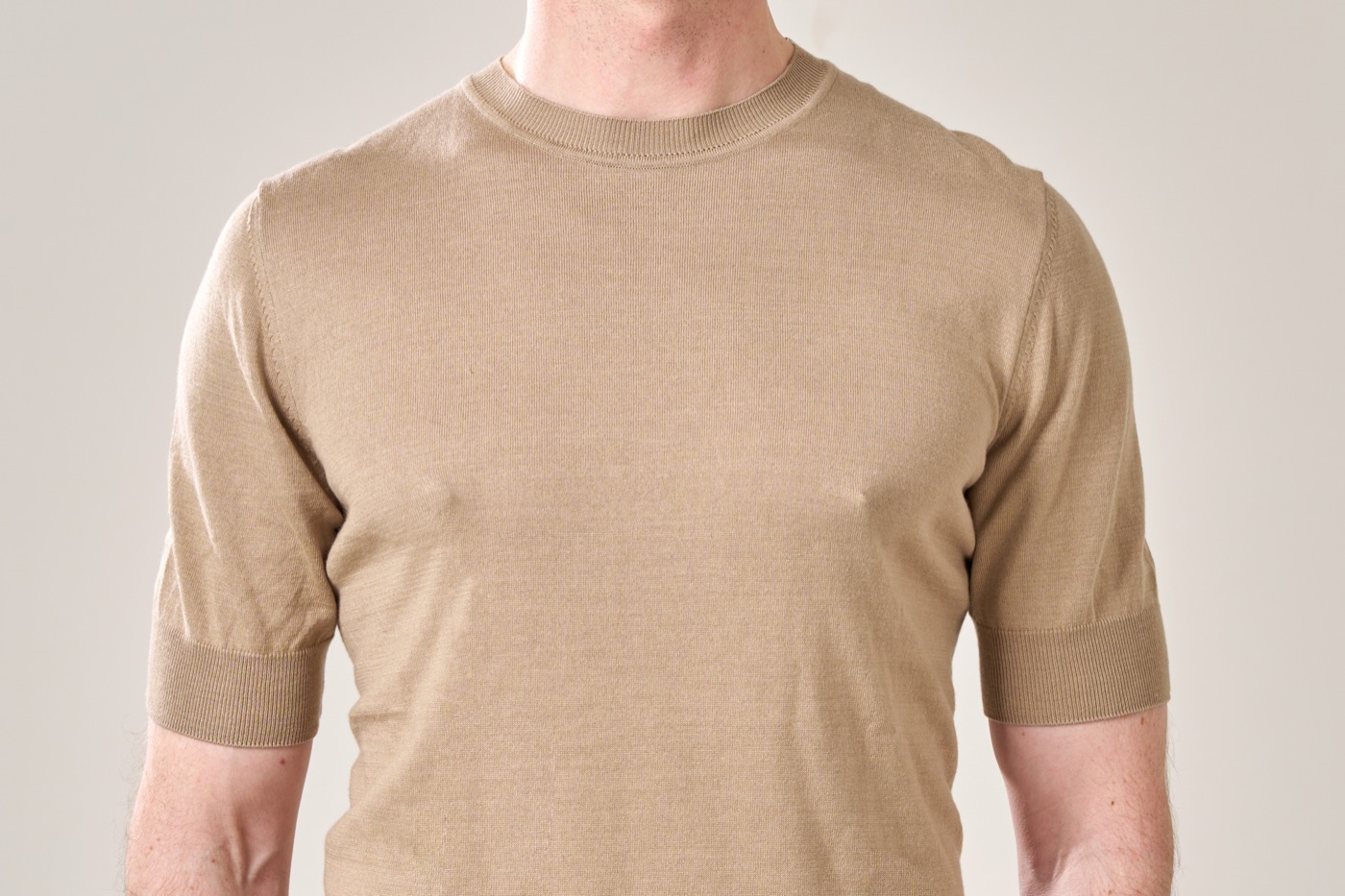
Here's what actually separates a good patch from a bad one, and why each detail matters for how the shirt sits on you.
Why polos are harder than they look
A dress shirt is woven and structured — it stands off the body. A polo is knit. Knit fabric stretches, drapes, and follows contours, which is the whole appeal and also the whole problem. Three polo variables decide how much shows:
- Piqué vs. jersey. Classic piqué has a waffle texture that breaks up light and hides a lot. Smooth jersey and interlock polos hide almost nothing.
- Weight. A 200gsm heavyweight cotton polo forgives. A 140gsm summer polo in linen-cotton does not.
- Color. White, light grey, pale blue, and pastels are the giveaways. So is anything wet from heat.
If you've quietly stopped buying polos in white or light colors, that's the fabric telling you something — not a reason to keep wearing navy forever.
What to look for in a nipple patch
1. Thickness — thin enough to vanish, not so thin it does nothing
This is the single biggest quality difference. A patch needs to flatten the area without becoming a new shape under the knit. Anything with a raised rim, a foam layer, or a stiff backing will telegraph through a light polo the moment you move. Look for a patch measured in fractions of a millimetre, with a soft hand that flexes with the fabric instead of sitting on top of your chest like a coin.
2. Tapered edges
Cheap patches are die-cut flat, so they have a hard 90-degree edge. Under piqué you might get away with it; under a smooth jersey polo in white, that edge reads as a perfect circle. A good patch feathers at the perimeter so there's no line where the patch stops and skin starts. Run a fingertip over the edge — if you can feel a distinct step, your shirt will show it.
3. Skin-tone match, not "nude"
"Nude" in most product photos means one shade of beige. Under a white or pale polo, a patch that's several shades off your skin will show as a lighter or darker circle in bright daylight. Match the tone to your own skin, and check it under a white shirt at a window before you commit to wearing it out.
4. Adhesive that survives a full day and a warm room
Polo weather is usually warm weather — golf, a summer office, a patio dinner. The adhesive needs to hold through heat and sweat, then release without taking skin with it. Medical-grade skin-safe adhesive is the standard to look for. Anything that lifts at the edges after two hours will curl under a knit and become the exact bump you were trying to avoid.
5. Comfortable removal
If you dread taking them off, you won't wear them. A quality patch peels cleanly. Band-aids and fashion tape — the classic improvisations — do not, and they leave adhesive residue that then grabs your shirt.
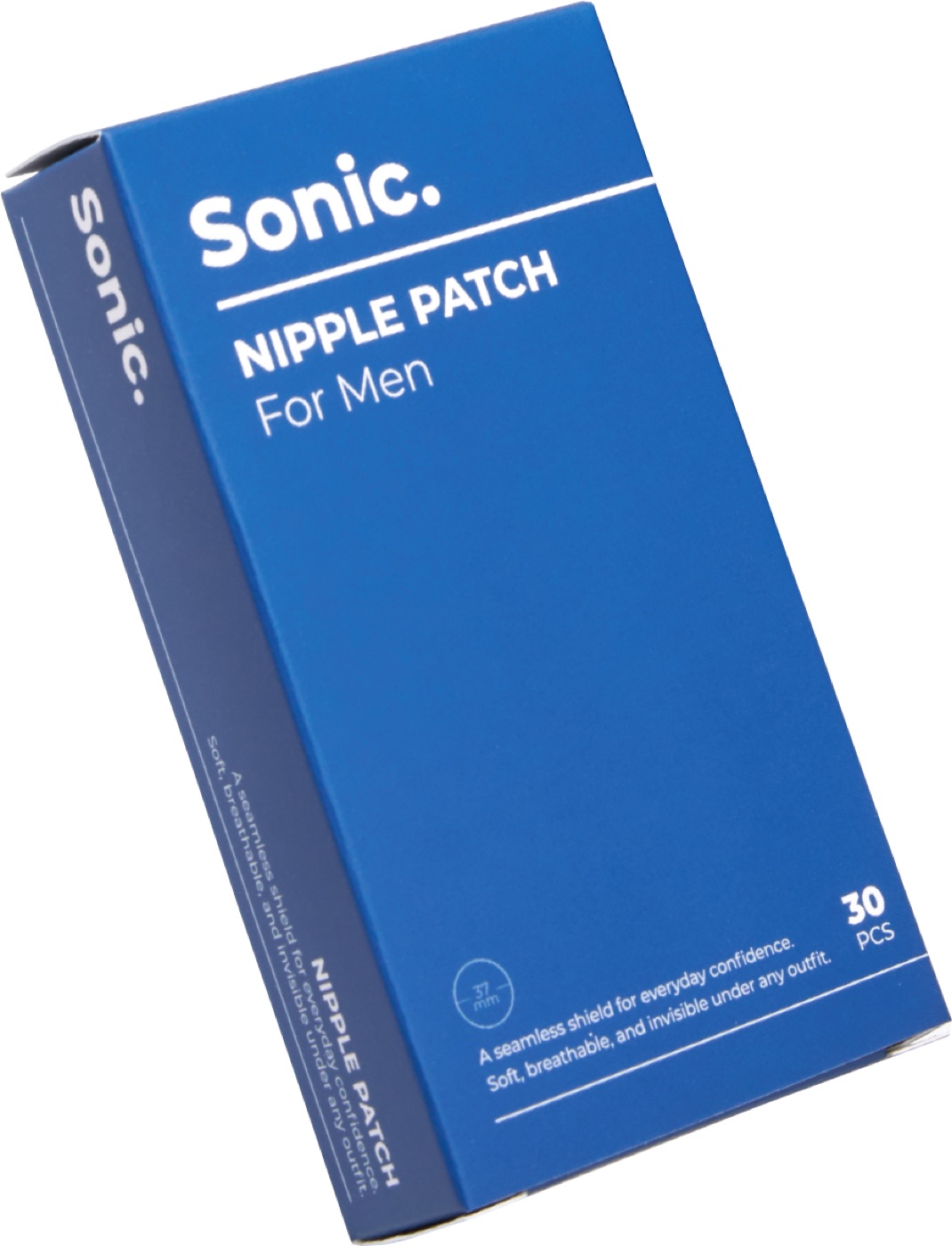
The Sonic nipple patch for men was designed against exactly this checklist: ultra-thin, feathered edges, skin-tone finish, all-day skin-safe adhesive. It disappears under a smooth white polo, which is the hardest test there is.
What to skip
- Undershirts under a polo. Adds bulk at the collar, adds heat, and you can often see the neckline through a light knit. It defeats the point of wearing a polo in the first place.
- Sizing up. A loose polo drapes, sure, but a baggy polo is the least flattering garment in menswear. You're solving one problem by creating a worse one.
- Only buying textured piqué forever. This works, and it's also a cage. The whole reason to fix this is so you can buy the soft pima polo, the linen one, the white one.
The actual payoff
The point isn't the patch. The point is that you stop pre-screening your wardrobe. You stop doing the mirror-check-and-grab-a-jacket routine at 8am in August. You buy the light-colored polo because it looks good on you, wear it to the client lunch, and think about it exactly zero times.
Most men who start wearing patches don't describe it as solving an embarrassment. They describe it as getting a section of their closet back — the white tees, the cashmere, the linen, the polos in colors other than charcoal. That's a real upgrade, and it costs about the same as a decent sandwich.
If you're ready to try it, start with Sonic's nipple patches for men and test them under your lightest polo first. That's the shirt that'll tell you the truth.
FAQ
Will nipple patches show through a thin polo shirt? A well-made one won't. The variables are thickness and edge finish — an ultra-thin patch with feathered edges disappears even under smooth white jersey. A thick patch with a hard die-cut edge will show as a circle, which is why the spec matters more than the brand name.
Do they stay on in hot weather or on the golf course? Yes, if the adhesive is medical-grade and skin-safe. That's the standard to look for, since polos are mostly warm-weather shirts and a patch that lifts at the edges in the heat becomes a visible bump.
How many do I need? Most men wear them for light-colored and soft-knit shirts specifically, not every day — so a pack lasts longer than you'd expect. Keep a couple in your travel kit and one in your desk drawer for the days a shirt surprises you.