

Nipple Patches for Sensitive Skin: What to Look For
If you've tried band-aids, medical tape, or a random pack of covers off a marketplace and ended up with a red ring around each nipple for two days afterward — that's not you being fragile. That's a bad adhesive on thin skin. Nipple patches for sensitive skin exist for a reason, and the difference between a good one and a bad one is not the price tag. It's four or five specific things you can actually check before you buy.
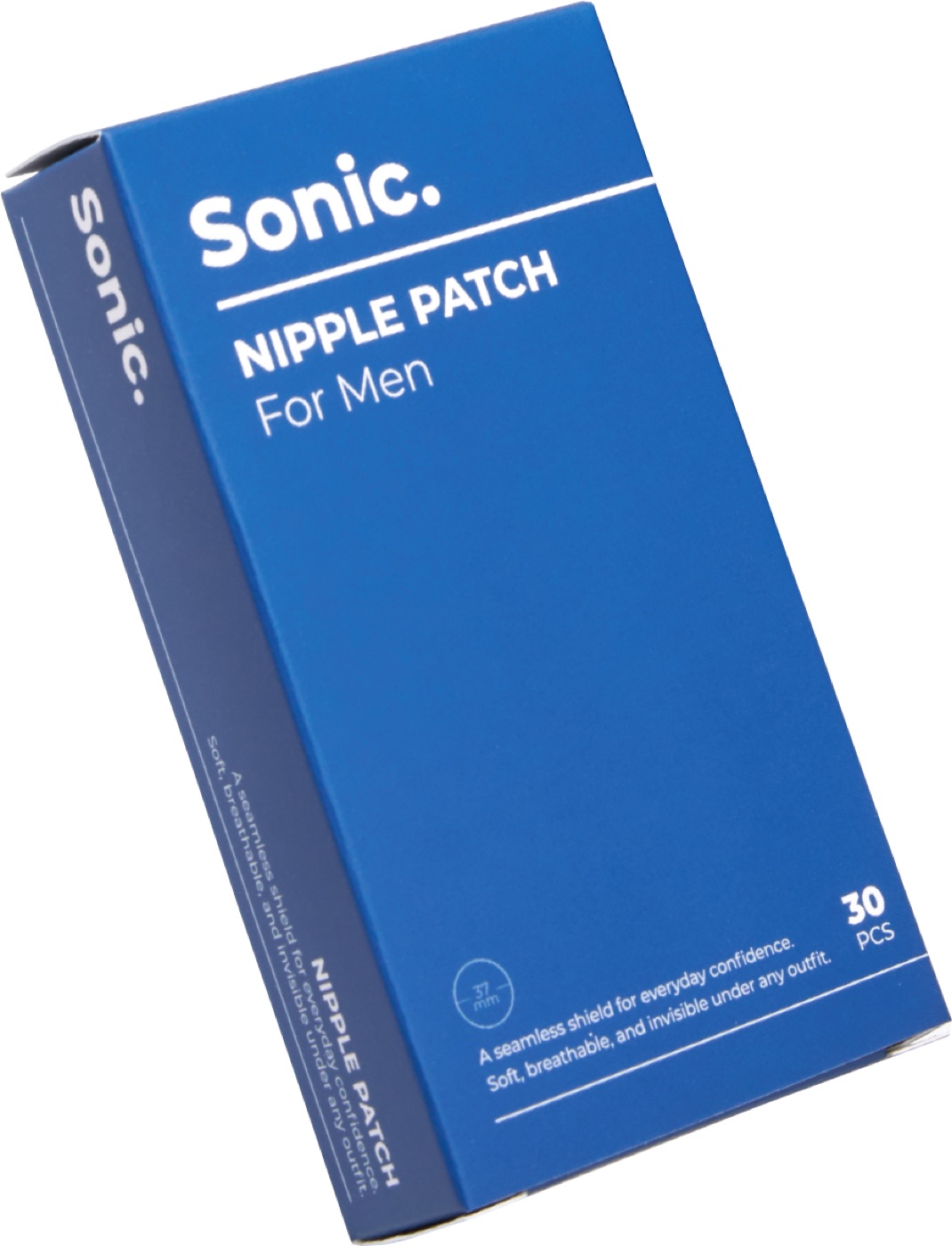
Here's what separates the ones you forget you're wearing from the ones that make you regret the white tee.
Why this area reacts more than the rest of you
The skin around the nipple is thinner and has fewer oil glands than your chest or back, so it doesn't have the same buffer against aggressive glue. Add body hair, sweat, and the fact that a shirt is rubbing across it all day, and you get the classic combination: adhesive that grips harder than it needs to, then takes a layer of skin with it on removal.
Which means the fix isn't "stronger stick." It's the right kind of stick.
1. The adhesive matters more than anything else
Look for a medical-grade, hypoallergenic, latex-free acrylic or silicone-based adhesive. Two things to know:
- Silicone adhesives are the gentlest. They hold by conforming to skin rather than chemically bonding to it, so removal is close to painless and they can often be repositioned once.
- Medical-grade acrylics hold longer through sweat but should be labelled hypoallergenic and latex-free. Latex is the single most common irritant in cheap patches.
Red flags: no adhesive type listed at all, "super strong waterproof glue" as the main selling point, or anything that mentions solvent removal. If a patch needs oil or a special wipe to come off, it was never designed for skin like yours.
2. Thinness — because a thick patch is its own irritant
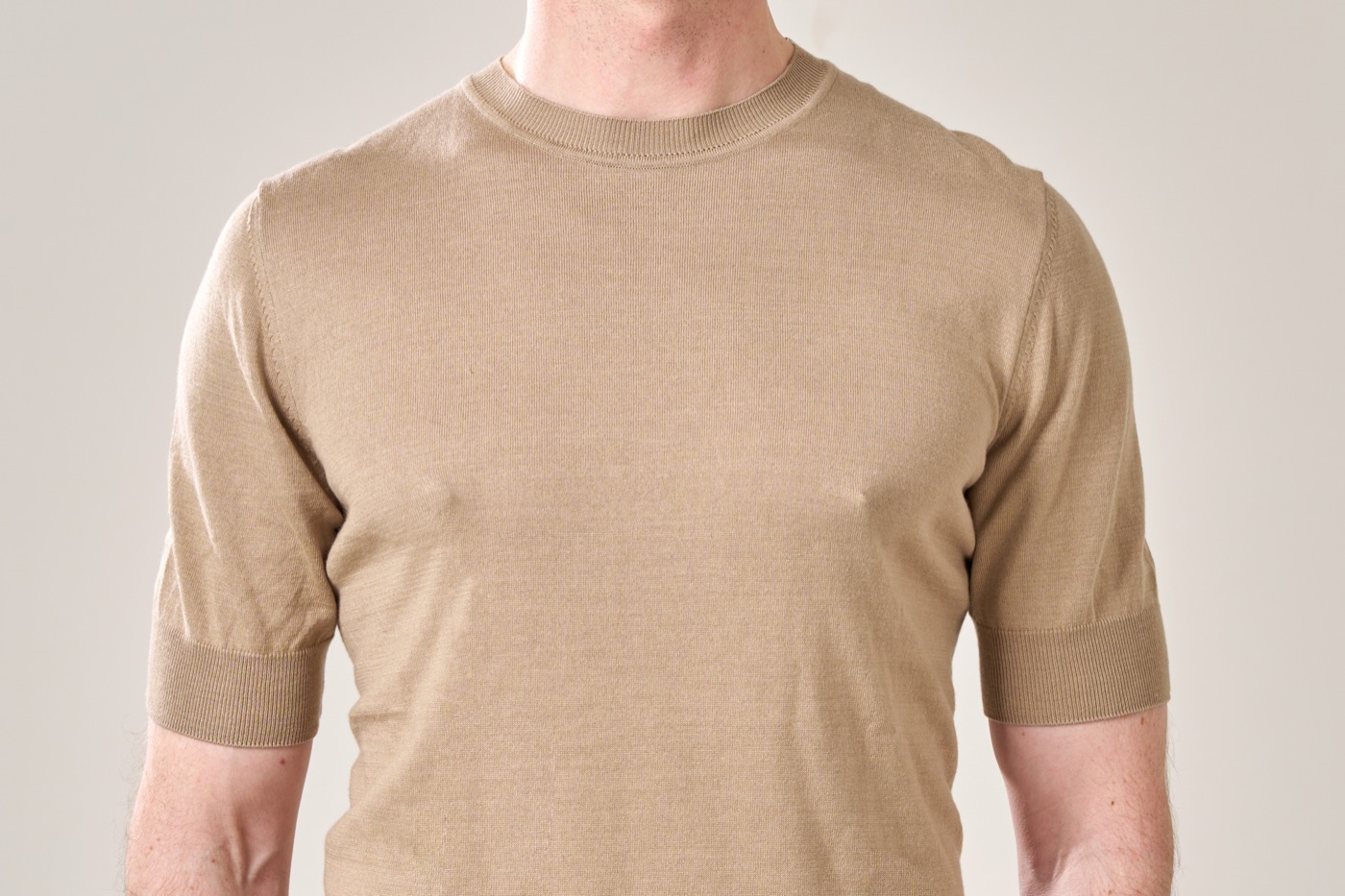
A thick patch does two bad things. Under a thin white tee it creates a visible disc — you've swapped one outline for a worse one. And because it's rigid, it doesn't move with your chest, so the edges lift and drag against your skin all day. That mechanical rubbing causes as much redness as the glue does.
You want something you can barely feel with a fingertip through your shirt. Our nipple patches for men are built to sit flush and disappear under white cotton, which is exactly the test that matters — if it passes under a white tee, it passes under everything.
3. Tapered edges, not cut edges
Pick the patch up and look at the rim. A cheap cover is stamped out of a flat sheet, so it has a 90-degree cut edge that catches on your shirt every time you move and telegraphs a hard circle under thin fabric. Better patches are feathered or tapered — thinner at the edge than the center — so they blend into the skin and don't snag.
This single detail is the most reliable way to tell a purpose-built patch from a repackaged generic one.
4. Breathability
If a patch is fully occlusive — plastic-backed, zero airflow — sweat has nowhere to go. It pools under the adhesive, softens it, and macerates the skin underneath. That's the mild burn some people feel after a few hours. A breathable backing lets moisture pass through and is the difference between "eight comfortable hours" and "I need to take these off at lunch."
5. Skip anything with fragrance, dye, or "cooling" additives
There is no reason for a nipple patch to be scented or menthol-anything. Every added ingredient is another chance to react. Plain, skin-tone, unscented. That's the whole spec.
The part nobody puts in the product description: how you take it off
Most irritation blamed on adhesive is actually removal technique. Don't pull straight out from the edge like a plaster. Instead:
- Warm skin first — a shower, or just a warm hand held over it for ten seconds.
- Peel low and slow, keeping the patch nearly flat against your skin as you go, rather than lifting it up at an angle.
- Pull in the direction of hair growth, not against it.
Do that and even a firm adhesive comes off cleanly.
Why any of this is worth caring about
Because the point was never the patch. The point is that you stop dressing defensively.
Most guys who end up searching for this have quietly built a wardrobe around a problem — all black, all thick cotton, a jacket kept on indoors in July, that white linen shirt still in the bag with the tags on. A patch that irritates your skin doesn't solve that; it just moves the discomfort. One that genuinely works on sensitive skin gives you back the light grey tee, the thin poplin dress shirt, the cashmere crewneck, the pale blue polo, the linen.
That's the actual product. Sonic's nipple patches are designed thin, tapered, breathable, and hypoallergenic specifically so you can wear the good stuff for a full day and forget you have them on.
FAQ
Are nipple patches safe if I have eczema or very reactive skin? Generally yes, if they're silicone-based or medical-grade hypoallergenic and latex-free — but don't test it on a wedding day. Wear one for two hours at home first and check the skin afterward. If you're mid-flare in that area, wait until it's calm.
Do gentle adhesives still hold all day under a dress shirt? Yes. Gentle refers to how it interacts with skin, not how well it stays put. A well-designed patch holds through a full workday, a warm room, and a commute — you're not trying to survive a triathlon, you're trying to get through dinner.
Does body hair make sensitive skin worse with patches? It's the main cause of painful removal. You don't need to shave the whole chest — trimming the hair immediately around the nipple with a guard is enough, and it also helps the patch sit flat so the edges don't lift.