

Nipple Patches for Thin Shirts: How to Pick a Pair That Actually Disappears
Thin fabric is honest to a fault. A white tee, an oxford in summer weight, a fine merino crew — they drape beautifully and they show everything underneath. If you're shopping for nipple patches for thin shirt situations, the bar is higher than "it covers the area." Under thin cloth, a bad patch doesn't solve the problem, it swaps one visible shape for another. Here's what separates the ones that vanish from the ones that announce themselves.
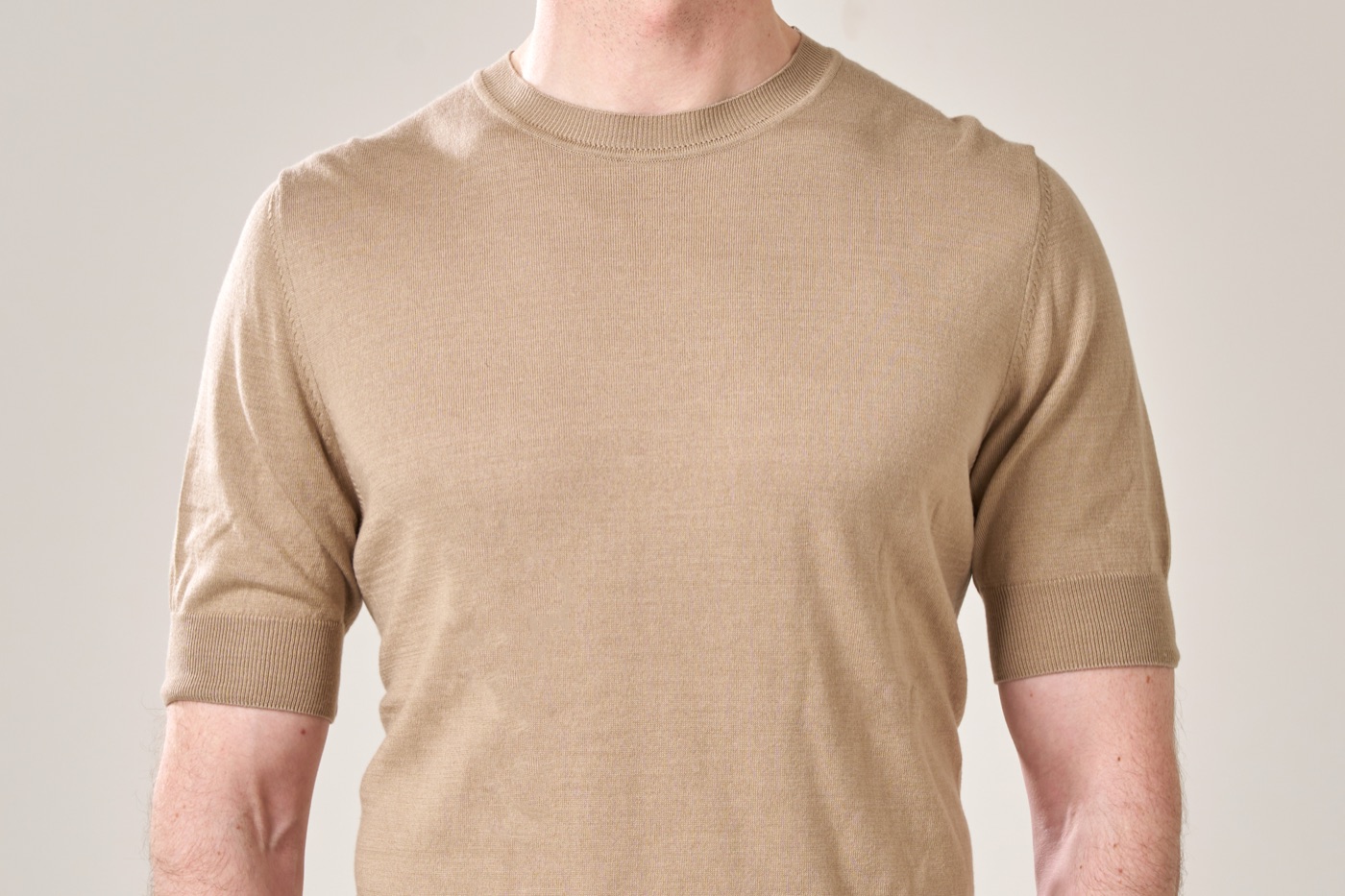
Thin fabric shows outlines, not just nipples
This is the thing most people get wrong on their first purchase. Light poplin and single-jersey cotton don't just reveal the body — they telegraph any edge underneath. A folded tag, a seam, a plaster. So when you're evaluating a patch, you're really evaluating four things: how thick it is, how its edge transitions into skin, whether the color reads under bright fabric, and whether it stays flat for twelve hours. Miss any one of those and thin fabric will find it.
What to look for
1. Thickness measured in fractions of a millimetre
The whole game. A patch that's a millimetre thick creates a raised disc that a thin shirt drapes over and highlights — you've traded a soft shadow for a hard circle, which is worse. You want something that feels closer to a second skin than a sticker. A good test once it's on: run your palm over it through the shirt. If you can feel where it starts and stops, so can everyone looking at you.
2. Feathered edges, not cut edges
A die-cut patch with a blunt perimeter makes a visible rim under light cotton. A tapered edge — thinner at the rim than the centre — blends into the skin so there's no line to catch light. This is why band-aids and generic circles fail the white-tee test even when the coverage is fine. The nipple patches Sonic makes for men are built around exactly this: thin body, feathered perimeter, nothing for the fabric to grab onto.
3. Skin tone that behaves under white and pastel
Under a dark shirt anything works. Under white, thin cotton, colour matters twice: the patch shows through as a lighter or darker disc if the tone is off. Pure white patches glow through white shirts. Beige-toned, matte finishes read as skin. Also avoid anything glossy — shine reflects through thin fabric in a way matte never does.
4. Adhesive that survives a shirt tucked in all day
Thin shirts are also warm-weather shirts. You want a skin-safe adhesive that holds through a commute, a warm room and a couple of layer changes, and then peels off without taking anything with it. Cheap tape does one of those two things well and never both. If a patch lifts at the edge halfway through the day, thin fabric will show the curl.
5. Discreet enough to keep in a jacket pocket
Practical, but it matters: if you dress in thin fabrics regularly you'll want a couple in your bag, your desk drawer and your carry-on. Flat, individually sealed patches survive that. Anything in a bulky clamshell stays at home, which means it doesn't help you.
What this actually changes about how you dress
Here's the honest version of why people buy these. Most men who look this up have spent years quietly editing their wardrobe: only navy and black, only heavier cotton, only patterned shirts, never the white tee, and a jacket kept on in a warm restaurant because taking it off felt like a decision. That's not a style — that's a workaround you've been calling a style.
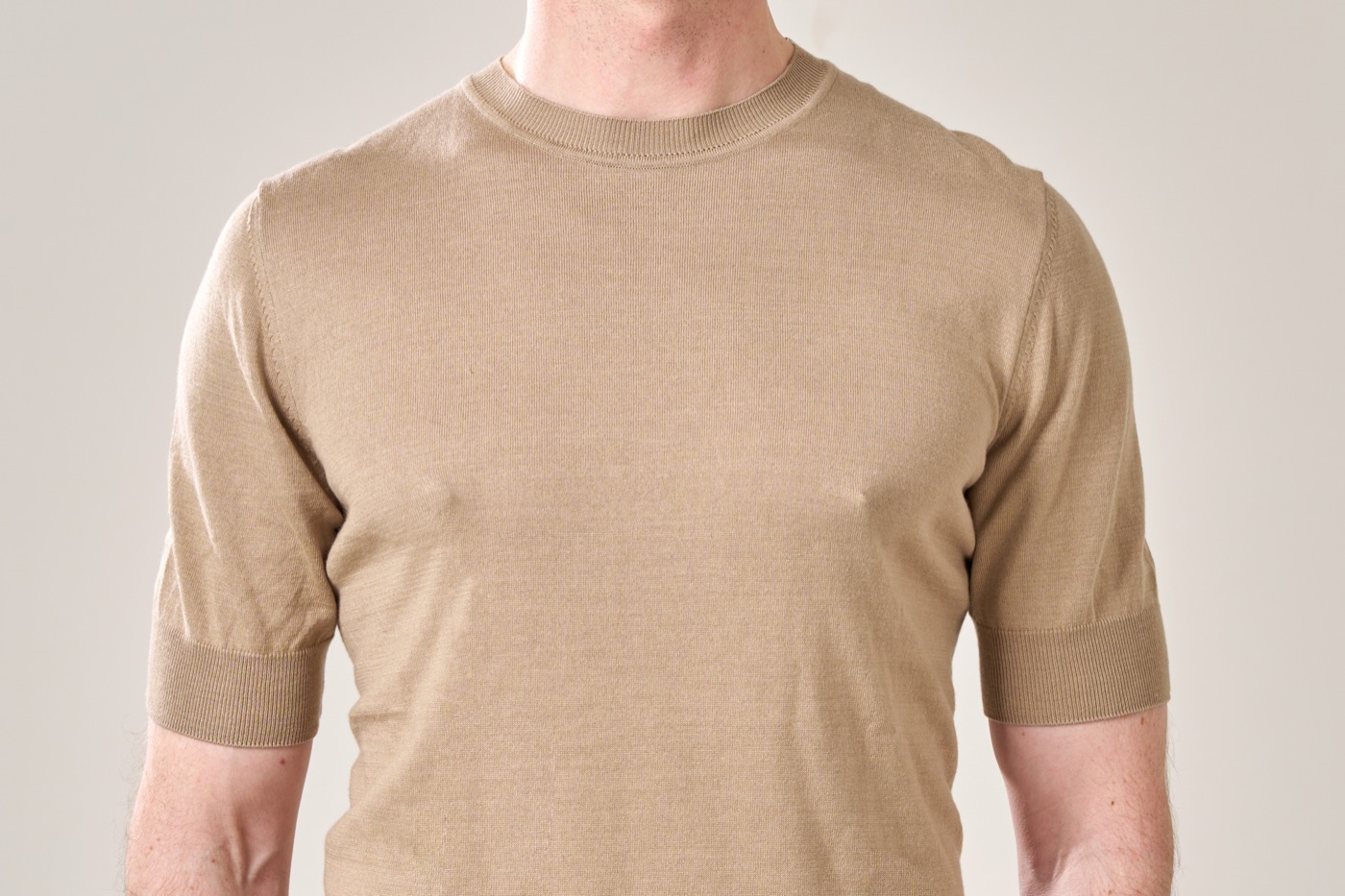
Solve the show-through and the editing stops. The white tee goes back into rotation. Fine-gauge knitwear and cashmere stop being "nice but not for me." Linen in July. A pale pink oxford. A polo that isn't three shades darker than you'd like. The pleasure isn't in the patch — it's in opening a drawer and picking whatever you actually want to wear.
Quick buyer's checklist
- Thin enough to feel like skin, not a disc. If you can trace it through the shirt, it's too thick.
- Tapered edges. No blunt rim to catch light under white cotton.
- Matte, skin-toned. Never white, never glossy.
- All-day skin-safe adhesive that peels clean.
- Flat packaging you'll actually carry.
- Made for men's anatomy. Sizing borrowed from a women's nipple cover is usually larger than you need, which means more material and more edge to hide.
If you'd rather skip the trial and error, the Sonic Nipple Patch for men is designed against this exact checklist — thin, matte, feathered, and tested under the hardest thing to wear: a plain white tee.
The bottom line
The measure of a good nipple patch isn't coverage, it's invisibility under the thinnest shirt you own. Get the thickness, edge, tone and adhesive right and the whole problem stops existing — along with the wardrobe rules you built around it.
FAQ
Will a nipple patch show through a white t-shirt? Not if it's thin, matte and skin-toned with tapered edges. Thick, glossy or white patches will show as a disc under white cotton — that's the fabric revealing the patch's edge, not your body.
How many hours do they last under a dress shirt? A quality skin-safe adhesive is made for a full day of wear, including a warm office and a tucked-in shirt. Apply to clean, dry skin — lotion or sunscreen is the usual reason a patch lifts early.
Can I wear them under thin knitwear and cashmere? Yes, and that's where they earn their keep. Fine-gauge knits cling more than woven shirts, so a thin patch with a feathered edge is exactly what keeps the surface looking smooth.