

Thin Shirt See-Through Problems, Solved: How Men Wear Light Fabrics Well
The best-dressed version of you in summer is wearing thin fabric. Linen shirts, fine-gauge knits, lightweight oxfords, airy poplin — they drape better, breathe better, and look more expensive than anything heavy. There's just one catch, and it's the thin shirt see-through problem every man discovers the first time he wears good linen into sunlight: light fabric shows what's underneath. Nipples first, chest hair second, and suddenly the most elevated shirt you own feels like the riskiest.
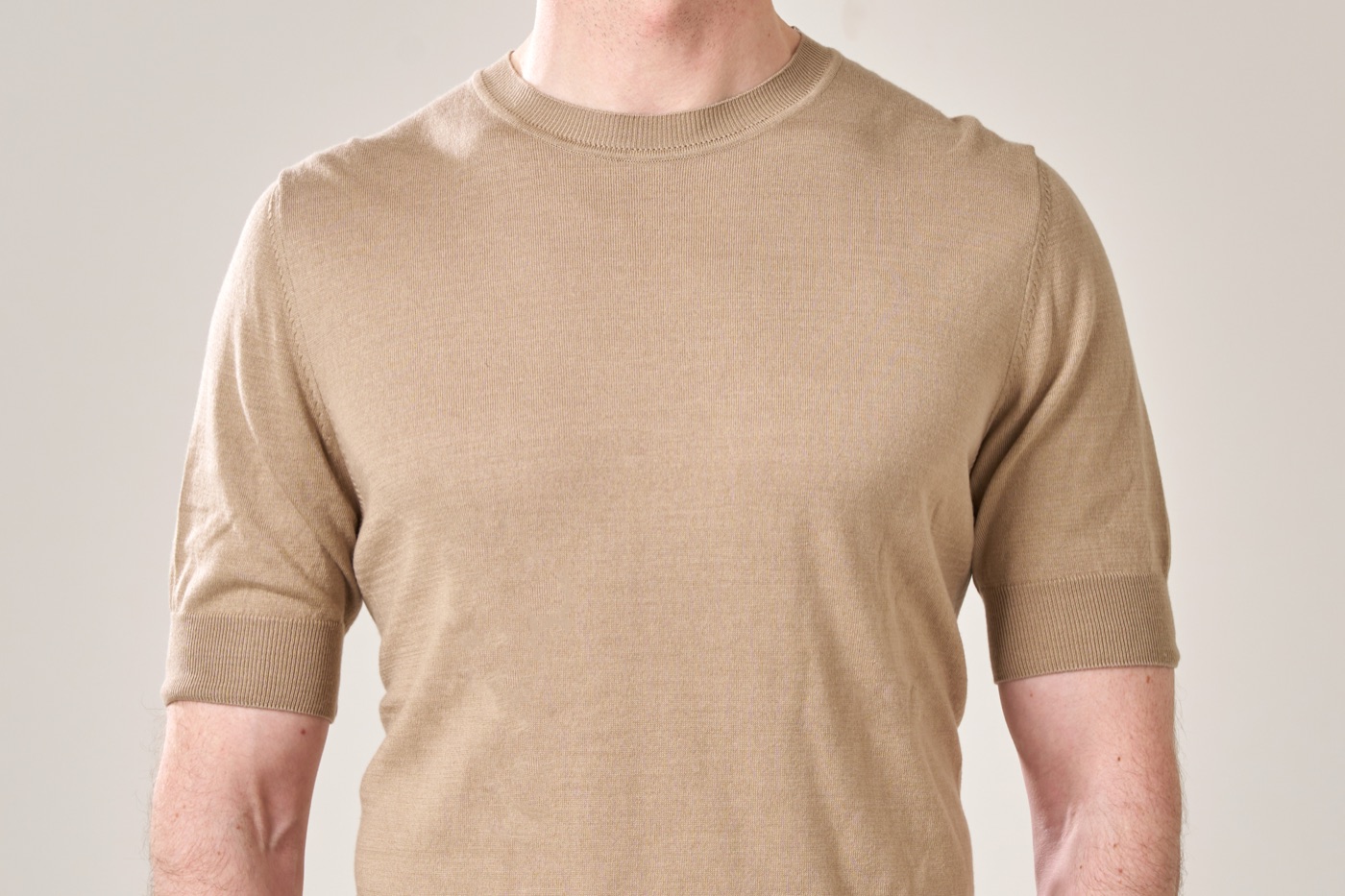
Most men respond by retreating to thick cotton and dark colors. That's the wrong lesson. Here's how to keep the thin fabrics — and lose the show-through.
Why thin fabrics show through (and why it's worth solving anyway)
Show-through is a function of three things: fabric weight, weave openness, and color. Thin means less material between the world and your skin; open weaves (linen especially) literally have gaps; and light colors transmit light instead of blocking it, so anything darker behind the fabric — skin texture, hair, an outline — reads through as shadow.
The frustrating part: these are exactly the qualities that make a shirt look and feel premium. Drape comes from lightness. Breathability comes from open weaves. Summer polish comes from light colors. You can't buy your way out of this with a "better" thin shirt — better thin shirts are more transparent, not less. The fix has to happen on your side of the fabric.
Know your risk level by fabric
- Linen (white, cream, light blue): Highest show-through of anything in menswear. Open weave plus light color plus sunlight — assume full transparency and plan for it.
- Fine poplin and voile dress shirts: Very high. These are the office offenders; bright indoor lighting is enough.
- Jersey tees and fine-gauge knit polos: High on outline, moderate on color. Even in darker tones, a thin knit stretched over the chest shows texture and shape.
- Chambray, heavier oxford, piqué: Low. Texture and weight do the hiding for you. This is why your workshirt never had this problem.
Rule of thumb: hold the shirt up to a window. If you can make out your hand through it, everyone can make out you through it.
The fix that lets you wear all of it
Skip the workarounds for a second and start with the actual solution: a thin, skin-tone nipple patch worn on the skin under the shirt. It flattens and evens out the one detail that draws the eye — the nipple outline — so thin fabric drapes over a smooth, uniform surface with nothing to reveal. No fabric layer, no added heat, no lines. It's the only fix that preserves the drape and breathability you bought the thin shirt for. (Searching "nipple cover for men" lands you in the same aisle — the Sonic Nipple Patch is the matte, ultra-thin version made to stay on through a sweaty August day and peel off clean at night.)
For chest hair under truly sheer linen, the patch handles the highest-contrast area, and the open, textured drape of linen handles the rest — linen moves, so a static outline never settles the way it does under a clingy knit.
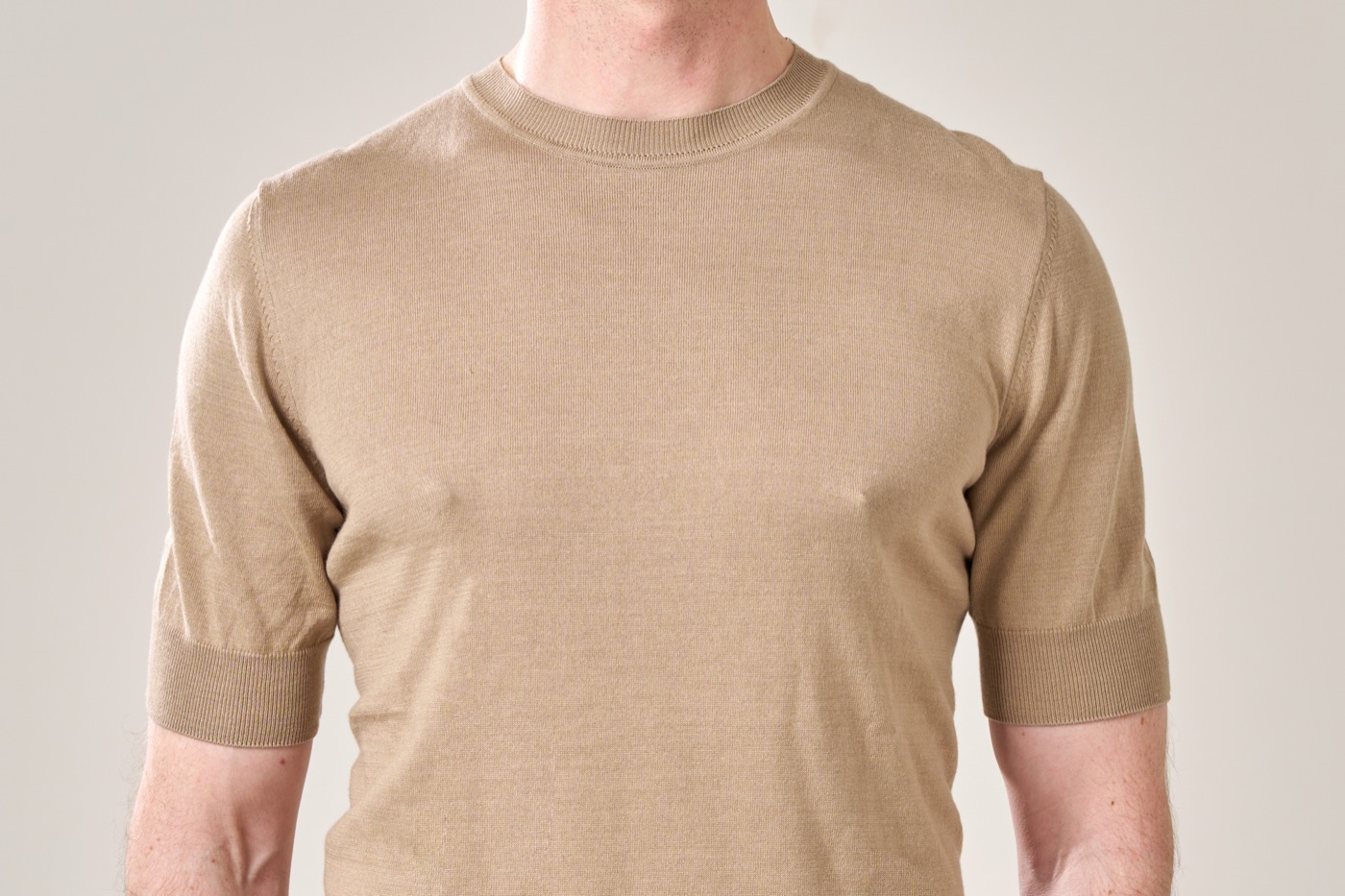
What about the traditional workarounds?
- Undershirts: They work in winter. In summer, under the exact fabrics we're talking about, an undershirt is self-defeating — you've added a heat layer to a shirt you chose for airflow, and its collar, hems, and sleeves all show through thin fabric. If you must, skin-tone and deep-V, never white.
- Darker colors: Genuinely helps — navy linen hides what white linen shows. But "only wear dark thin shirts" is a wardrobe restriction, not a solution, and thin dark knits still show outline.
- Patterns and texture: Stripes, checks, and slubby weaves camouflage well. Good arrow in the quiver; doesn't rescue the plain white linen shirt that started this whole search.
- Sizing up for drape: A relaxed cut reduces cling and helps with knits. Overdo it and you've traded "see-through" for "shapeless."
Notice the pattern: every workaround either adds heat, subtracts options, or changes the shirt. The patch is the only one that changes nothing about the outfit.
The thin-fabric routine
- Window-test new shirts so you know which ones are transparent before daylight tells you.
- Patch on clean, dry skin before dressing — press a few seconds to set the adhesive.
- Skip the undershirt unless it's cold; let the fabric breathe like it's supposed to.
- Steam or iron — wrinkles plus transparency reads careless; smooth fabric over a smooth chest reads intentional.
The bottom line
Thin, light fabrics are the difference between dressing for summer and enduring it — and the see-through problem that scares men off them takes two minutes to solve. Put a Sonic Nipple Patch on before the linen goes on, and the whole light half of the fabric spectrum is yours: white poplin, cream linen, fine knits, all of it, worn with nothing to think about.
FAQ
How do I know if my shirt is too see-through to wear alone? Hold it up to a window or bright light — if you can see your hand through it, it will show your chest in daylight. Wear it anyway; just put a skin-tone nipple patch on first.
Do nipple patches work under linen? Yes — linen is the highest show-through fabric in menswear, and a matte, skin-tone patch is made for exactly that. It smooths the outline so the open weave has nothing to reveal.
Will the patch stay on if I sweat in summer? Yes — a purpose-made men's patch uses skin-safe adhesive designed to hold through sweat and a full day of wear, then peel off cleanly without irritation.