

Are Nipple Patches Reusable?
Most nipple patches are not reusable — the thin adhesive kind is designed for one wear, then the bin. Silicone ones can technically be washed and worn again, but they get slippery, curl at the edges, and stop sticking well within a handful of uses. So if you're asking "are nipple patches reusable" because you're doing the math on cost, here's the honest version: single-use is the format that actually works, and it costs less per wear than you'd guess.
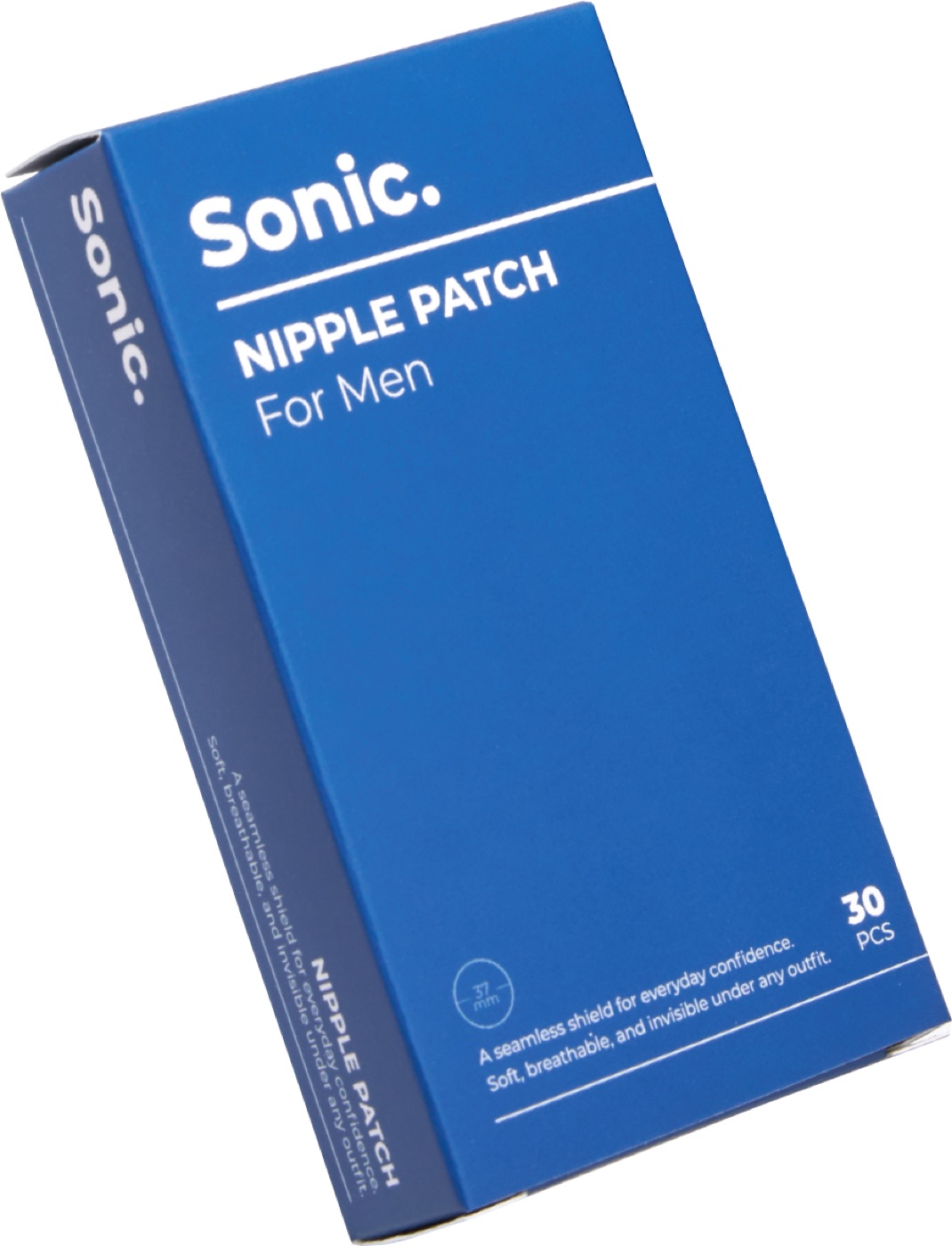
Let's get into why, because the reason is more interesting than the answer.
Why adhesive patches can't be reused (and shouldn't be)
The whole job of a good patch is a medical-grade adhesive that grips skin and nothing else. That adhesive works by making full contact with your skin — every pore, every hair, the lot. When you peel it off, it takes a microscopic layer of skin oil and dead cells with it. That's normal. It's also why the second application never grips like the first.
Try to reuse one and you get the worst-case scenario: it holds for two hours, then a corner lifts under your shirt while you're mid-conversation, and now you're aware of it all afternoon. A patch that half-works is worse than no patch, because you're thinking about it.
Silicone reusables promise a way around this. In practice they're thicker, so they have a visible edge under exactly the fabrics you'd want a patch for — a fine cotton shirt, a lightweight merino. You've swapped a nipple outline for a circle outline. Not a trade worth making.
The real question isn't reuse — it's cost per wear
Nobody actually wants to wash a nipple patch. What they want to know is whether this becomes an expensive habit. Fair.
Run the numbers on how you'd actually use them. Most guys don't wear a patch every day — they wear one when the shirt calls for it. The white tee. The pale blue oxford under office lighting. The cashmere crewneck that costs more than the rest of the outfit combined. That's maybe two or three days a week, which puts a pack well into "cheaper than the coffee you drink on the way to work" territory.
And here's the thing worth naming: the alternative isn't free either. The alternative is a wardrobe where half your shirts stay on the hanger.
The other fixes, honestly ranked
Before landing on patches, most men have tried the whole list. Here's what each one actually delivers.
Thicker fabric. Works perfectly. Heavy cotton, oxford cloth, textured knits — nothing shows. The catch is you've just eliminated linen, jersey, fine merino, silk-blend shirts and every white tee you own. It's a fix in the same way never leaving the house fixes traffic.
Dark colours. Same deal. Navy and charcoal hide everything, which is exactly why so many guys end up with a wardrobe that looks like a stagehand's. If you've noticed you own eleven black t-shirts, this is probably why.
An undershirt. A genuinely decent option under a dress shirt in winter. Useless under a t-shirt, and in July it's a punishment.
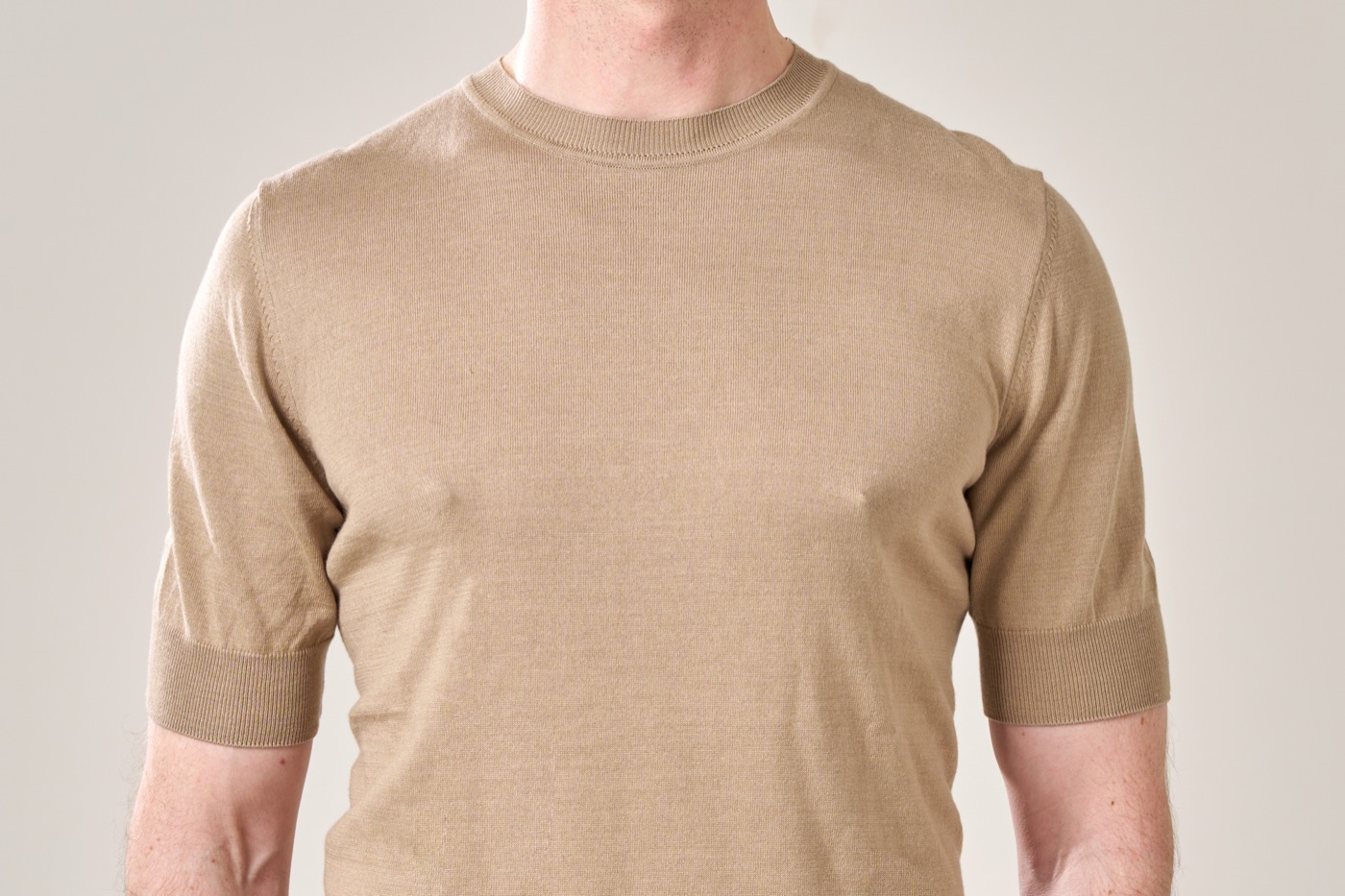
Sizing up. Looser fabric drapes instead of clinging, so there's less definition. But the fit is the outfit — a shirt that hangs off you reads worse than anything it was hiding.
Plasters or tape. The 7am emergency move. They're squares, they show as squares under thin fabric, and removal is memorable in a bad way.
A nipple patch made for men. Thin enough to have no edge, skin-toned so it disappears rather than announcing itself, and it stays put through a full day. It's the only option on this list that doesn't ask you to change what you're wearing.
What you're actually buying
Not a patch. Access to your own wardrobe.
There's a specific moment guys describe after they start using these: buying a white t-shirt without holding it up to the light first. Or wearing the linen shirt on the hot day, in the sun, without the mental calculation about which way you're facing. That's the whole product. The patch is just the mechanism.
Single-use is what makes that reliable. A fresh patch every time means it works every time — no "is this one still good?", no lifting edge, no doubt. You put it on in thirty seconds, forget it, and peel it off at night. That consistency is precisely what a reusable version can't give you.
If you've been putting off trying them, the men's nipple patches are here — start with the days that matter most and see how much of your wardrobe comes back.
FAQ
Can I wash and reuse a silicone nipple cover? You can, a few times — rinse with mild soap, air dry, keep it on its plastic backing. But adhesion drops with every wash, and silicone covers are thick enough to show an edge under thin or premium fabrics, which defeats the point.
How many hours does one adhesive patch last? A quality patch is built for a full day — roughly 8 to 12 hours through normal wear, sweat and movement. Long enough for work plus dinner, which is the actual use case.
Is it bad for your skin to apply a new one daily? No. Skin-safe adhesives are formulated for repeat contact. If you're wearing them most days, just give the skin a night off now and then and apply to clean, dry, lotion-free skin — lotion is the single biggest reason a patch lifts early.