

Are Nipple Patches Safe to Wear?
Yes. For the vast majority of guys, nipple patches are safe to wear every day — they use the same class of skin-friendly medical adhesive found in bandages and hospital tape, and they sit on the surface of the skin without doing anything to it. The short version: if a plaster doesn't bother you, a patch won't either.
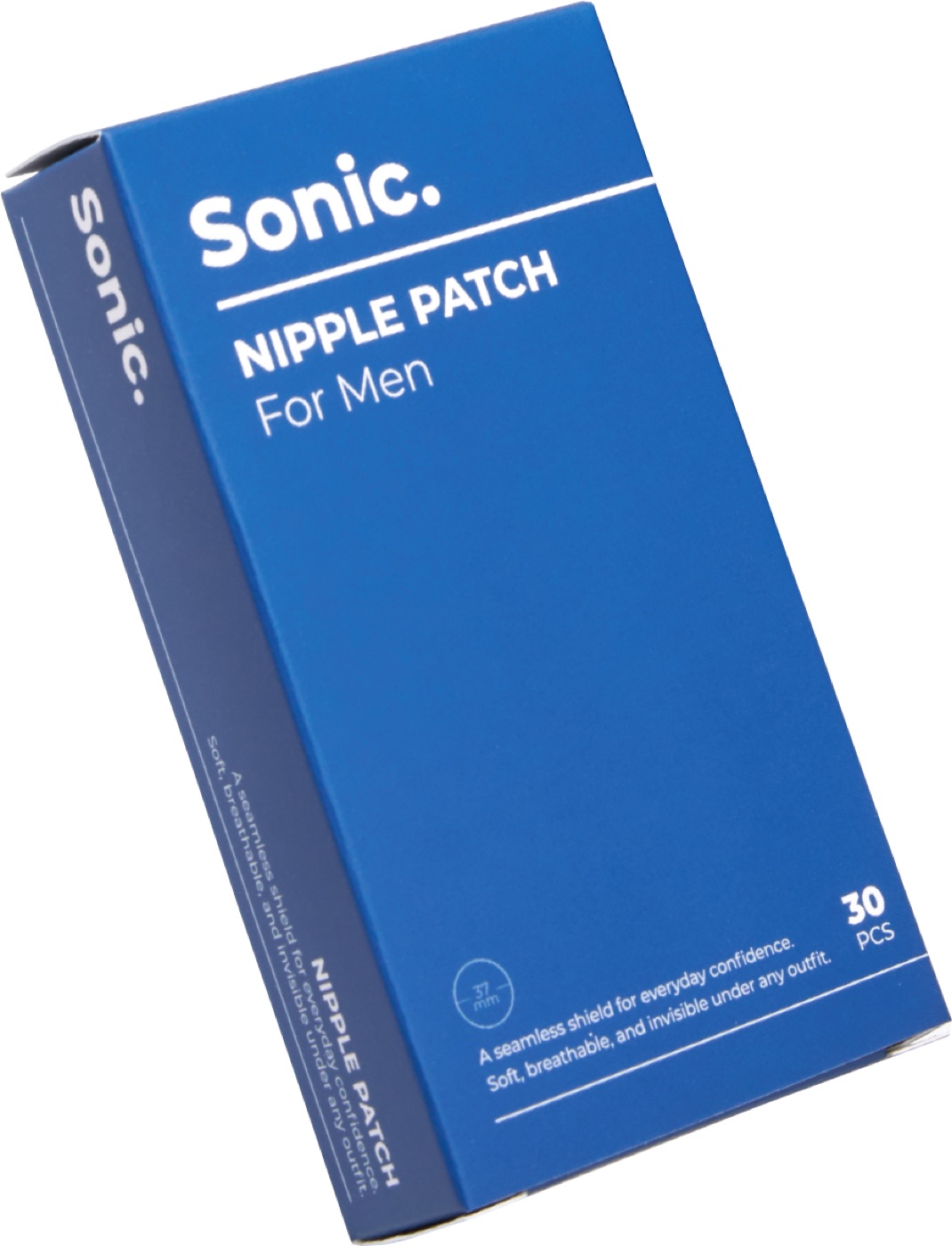
That's the answer. Now the useful part — why people ask this in the first place, and what actually separates a patch you forget you're wearing from one that leaves you red and annoyed at 4pm.
Why people worry about this at all
Most of the fear comes from the wrong reference point. Guys who've tried to solve show-through before usually did it with a couple of band-aids or a strip of duct-adjacent "fashion tape," and that experience is genuinely unpleasant. Band-aid adhesive is engineered to grip hard on a wound edge for days, so removal stings. Tape isn't breathable, so you sweat under it and the skin gets soft and irritated. Both leave a visible square outline under a thin shirt, which defeats the whole point.
So the real question isn't "are patches safe" — it's "is this the same thing as the band-aid trick?" It isn't. Purpose-made patches are formulated for repeated wear on thin, sensitive skin: lower-tack adhesive, breathable backing, and an edge that's feathered so it doesn't dig in.
What the adhesive actually is
The adhesive on a well-made nipple patch is a pressure-sensitive medical-grade acrylic or silicone adhesive — the boring, well-studied kind. It's hypoallergenic, latex-free on any product worth buying, and it doesn't absorb into anything. It sticks by surface contact, not by penetrating skin. Nothing is being delivered into your body. There is no mechanism by which a patch affects nipple sensitivity, hormones, or tissue, and there's no medical literature suggesting otherwise.
The practical risks are the mundane ones you'd expect from any adhesive on skin:
- Mild redness after removal, which fades in a few minutes like it does after a bandage.
- Contact irritation if you have genuinely reactive skin or an adhesive allergy. Rare, but real.
- Trapped moisture if you wear a non-breathable patch through a sweaty day and don't change it.
That's the honest list. It's short because the product is simple.
Who should be cautious
A few situations warrant a bit of care. If you have eczema, psoriasis, or active dermatitis on your chest, wait until the skin is calm. If you've had a known adhesive allergy — the kind where bandages leave you itchy and blotchy for a day — patch-test one on your forearm for a few hours first. If you've had any chest surgery, wait until you're fully healed and cleared. And if you notice a new lump, discharge, or persistent soreness, that's a doctor conversation, not a patch conversation. A patch covers a cosmetic issue; it isn't a treatment for anything.
Also worth saying plainly: broken skin is a no. If you've chafed yourself raw, let it heal first.
The other fixes, honestly ranked
Before we get to the patch as the answer, the alternatives deserve a fair hearing — because some of them do work, partially.
Thicker fabric genuinely hides show-through. Heavy cotton, ribbed knits, patterned shirts. It's free and it's safe. It's also the reason a lot of guys own a closet full of dark, thick, boxy clothes they don't especially like. It solves the problem by shrinking your wardrobe.
Layering an undershirt works under a dress shirt and does nothing under a tee. It's also miserable in July, and under a fine cashmere or linen piece it adds a bulk line that looks worse than the thing you were hiding.
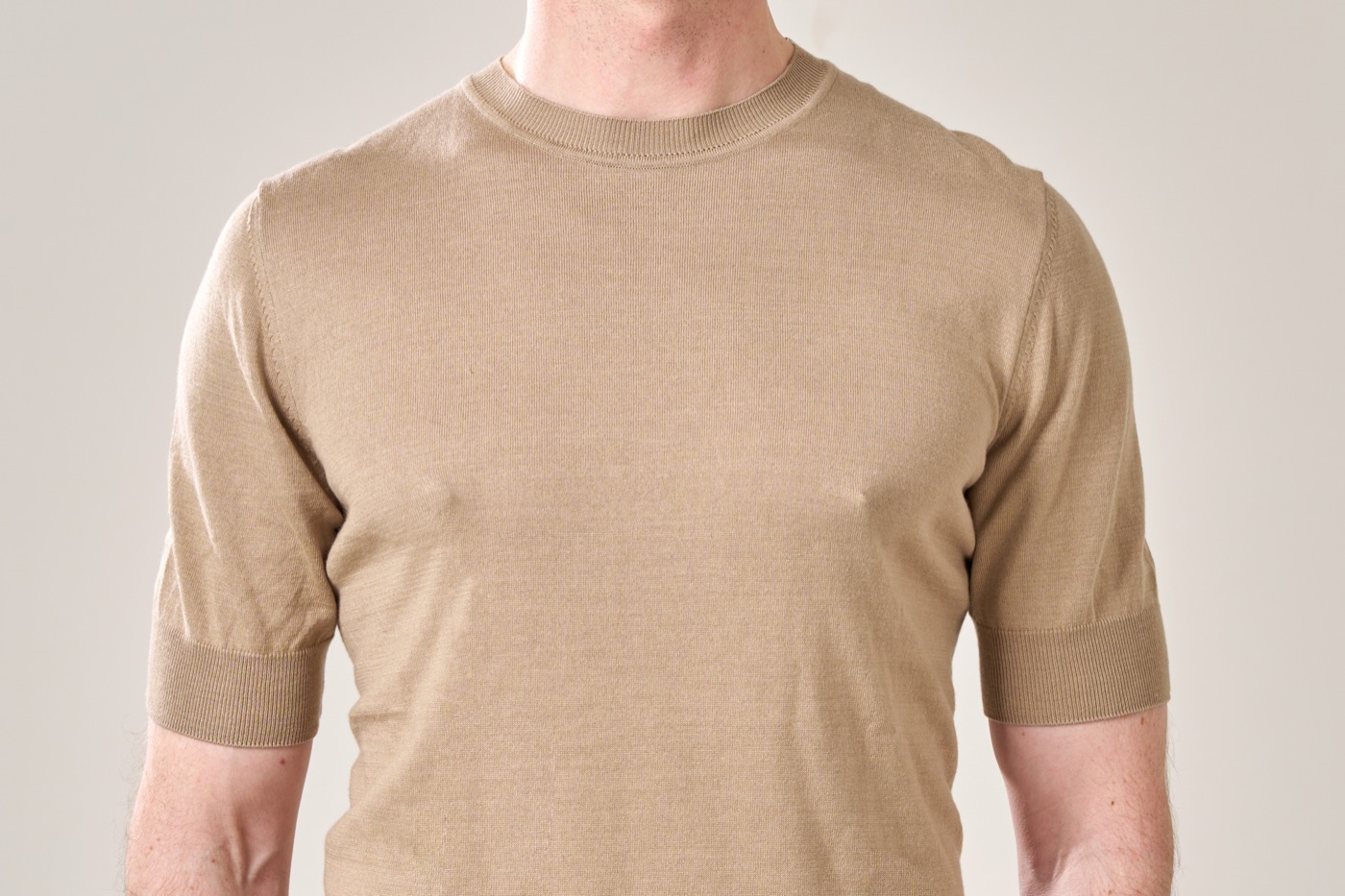
Sizing up helps a little — drape instead of cling — but a shirt that's a size too big reads as sloppy, and thin white jersey clings anyway.
Anti-friction balm is for chafing on a long run. It's a different problem. It hides nothing.
Each of these is a compromise where the fabric or the fit takes the hit. The nipple patch for men is the only one where nothing gets compromised — you put on the white tee you actually wanted to wear, and it looks like a white tee.
What "safe" looks like in practice
A few habits keep it entirely uneventful:
- Apply to clean, dry skin. Lotion and body oil are the number one cause of patches lifting mid-day and then irritating you as they peel.
- Warm it for five seconds. Press with your palm after applying — body heat sets the adhesive properly and it'll hold through a full day.
- Peel slowly, in the direction of hair growth, ideally in a warm shower. Yanking is what causes the redness people complain about.
- One patch, one day. Don't wear the same one across two days of sweat.
Do that and the entire safety conversation becomes a non-event. That's genuinely the whole protocol.
The point isn't the patch
Here's what actually happens when guys start wearing them, and it's not really about safety. It's that the white oxford comes out of the back of the closet. The pale grey tee that was "too thin." The linen shirt bought optimistically for a trip and worn once. The cashmere crewneck. All the clothes that got quietly retired for a reason nobody was going to say out loud.
That's the real return on a thin skin-tone patch you stop noticing by 9am — not the absence of a problem, but the return of a wardrobe. Safe, unremarkable, and quietly the best-value thing in your dresser.
FAQ
Are nipple patches safe to wear every day? Yes. Daily wear is what they're designed for — a fresh patch each day on clean, dry skin. The adhesive is the same skin-safe class used in medical bandages, and it doesn't affect the skin or tissue underneath. If you get mild redness, it's from removal technique, not the product; peel slowly in a warm shower.
Will a nipple patch irritate sensitive skin? Usually not, but if bandage adhesive normally bothers you, test one on your forearm for a few hours first. Look for a latex-free, hypoallergenic patch with a breathable backing — that's the combination that makes the difference. Avoid applying over broken, chafed, or actively inflamed skin.
Is a nipple patch safer than tape or band-aids? Considerably. Band-aid adhesive is built to grip a wound for days, so removal is harsh, and standard tape doesn't breathe, which traps sweat and softens skin. A purpose-made patch uses lower-tack adhesive on a breathable backing — and unlike either improvised fix, it's thin enough that it doesn't show as a square outline under a thin shirt.