

Can You Wear Nipple Patches All Day?
Yes — you can wear nipple patches all day, and that's exactly what they're built for. A good one goes on before your shirt in the morning and comes off at night, somewhere in the 8 to 12 hour range, without you thinking about it once in between.
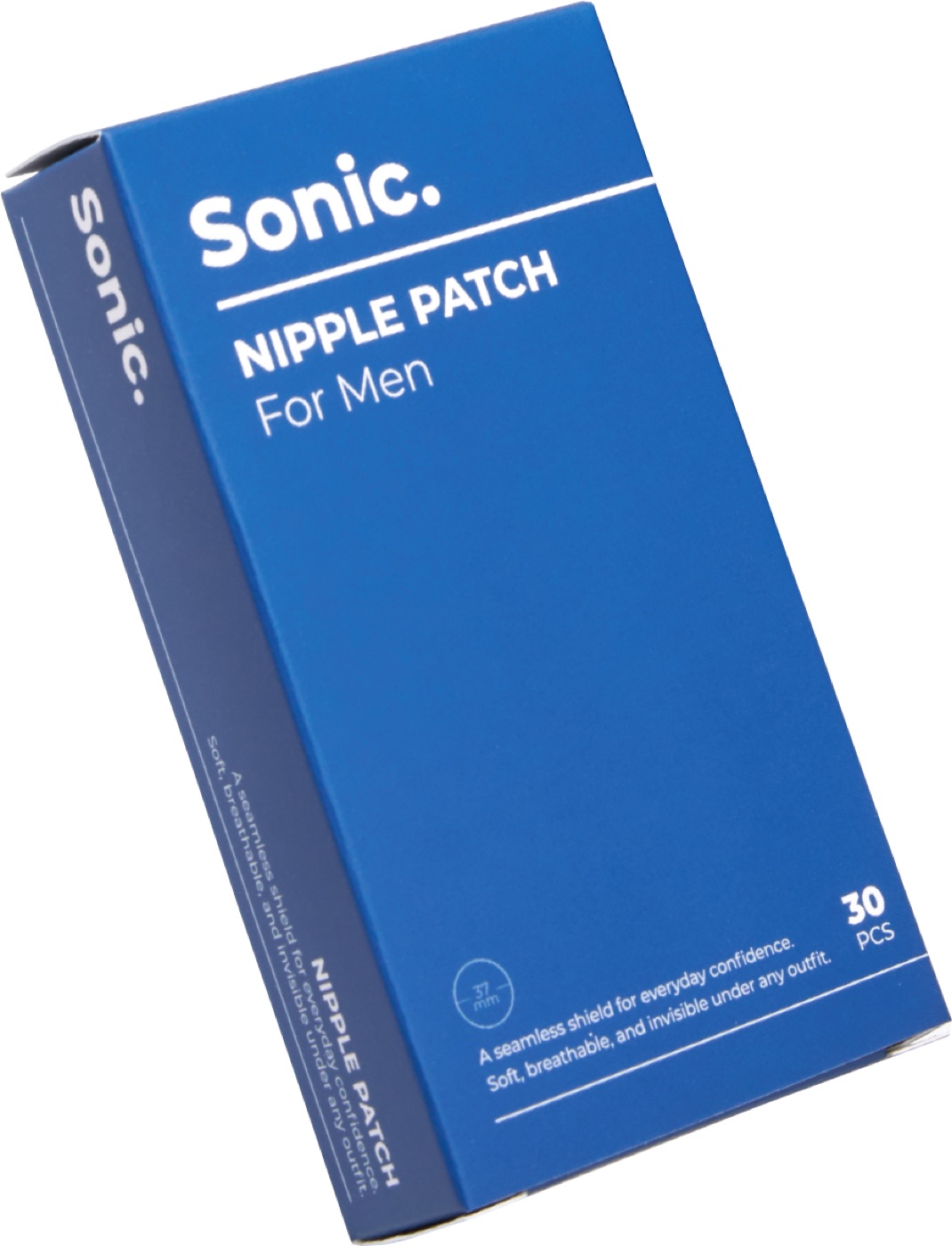
The reason people ask isn't really about the patch. It's about the shirt. You bought the white tee, or the light grey cashmere, or the linen shirt that looked incredible in the store, and then you put it on under normal lighting and did the math on how many hours you'd spend arms-crossed. So the real question is: will this thing hold for a full workday, a dinner after, and a walk home? It will.
What "all day" actually looks like
A thin skin-tone adhesive patch is a peel-and-forget item. You put it on dry skin in the morning and it stays flush for the length of a normal day — commute, office, meetings, lunch outside in August, drinks after. There's no reapplying, no checking in the bathroom mirror, no adjusting.
Where people get skeptical is adhesive fatigue: the assumption that anything sticky either falls off by 2pm or is welded to you by 6pm. Neither happens here. The adhesive is designed for skin, which means it's strong enough to survive body heat and a sweaty commute, and gentle enough to peel off in one motion at the end of the night without taking anything with it.
The honest limits: heat plus heavy sweat plus friction is the combination that shortens any adhesive's life. A summer wedding where you're dancing for four hours is a bigger ask than a Tuesday at a desk. And patches are single-use — a fresh one each day is the deal.
Why nipples show through in the first place
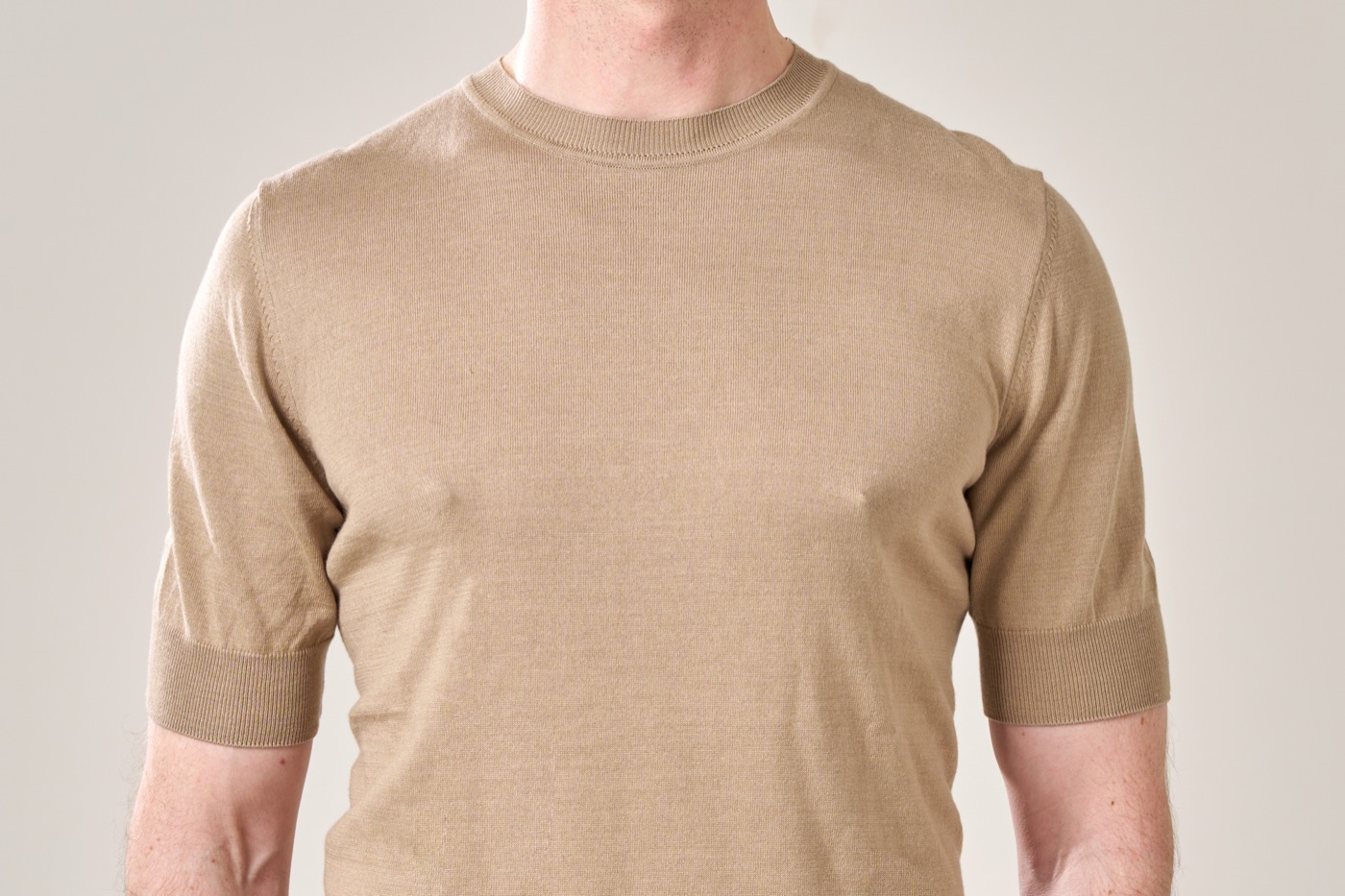
It's not a flaw, and it's not something you're doing wrong. Nipples respond to cold, to temperature swings, to the friction of fabric moving across them, and sometimes to nothing identifiable at all. Air conditioning is the number one culprit — you walk from a hot street into a chilled office and your body reacts before you're through the door.
The fabric does the rest. Thin jersey, fine-gauge knitwear, silk-touch dress shirts, linen, anything pale or bright — these drape close and show every contour. The nicer the shirt, the more it shows. That's the cruel joke of it: the fabrics worth spending money on are the exact ones that give you away.
The fixes, ranked honestly
Thicker fabric. Heavy cotton, oxford cloth, piqué polos, textured knits. It genuinely works. It also means your wardrobe becomes a rotation of the same four sturdy shirts, and summer becomes miserable. You're solving the problem by not having the wardrobe.
Dark colors and patterns. Navy, charcoal, black, prints. Also works. Also means you've quietly decided that light colors aren't for you — which is a real cost. Most guys who've been doing this for years don't even register it as a limitation anymore. It just became their style.
An undershirt. A fitted tee under a dress shirt adds a layer that blurs the outline. Decent under a button-down in October. Useless under a t-shirt, and unbearable in July. It also adds bulk right where a well-cut shirt is supposed to sit clean.
Going a size up. Looser fabric drapes instead of clinging. But baggy reads as sloppy, and it doesn't help with genuinely sheer fabric — a loose linen shirt still shows.
Band-aids or tape. They flatten things, technically. They also show as visible squares under thin fabric, which is a worse outcome than the thing you were hiding, and they hurt coming off.
A nipple patch made for men. Thin, skin-tone, flat, invisible under anything. It's the only option that doesn't ask you to change the shirt, the color, the fit, or the season. Everything else on this list is a workaround; this is the fix.
The point isn't the patch — it's the closet
Here's what actually changes. Guys who start wearing patches don't talk about the patches. They talk about buying a white tee for the first time in a decade. About the light blue linen shirt they'd been walking past for three summers. About wearing the cashmere crewneck to dinner instead of putting a jacket over it and sweating through the meal.
There's a version of your wardrobe that got quietly pruned over the years — every thin, soft, pale, or expensive thing edited out because you did a risk assessment in a fitting room and said no. A thin adhesive nipple patch gives that back. You stop dressing defensively. You wear the nice thing on a normal Wednesday because there's no reason not to.
That's worth more than the ten seconds it takes to put them on.
How to get a full day out of them
Clean, dry skin. Skip lotion or oil on your chest that morning — that's the single most common reason an adhesive underperforms. Press the patch on for a few seconds so it warms to your skin and seals at the edges. Put your shirt on after, not while you're still adjusting.
To remove: peel slowly from one edge. Warm water in the shower makes it effortless if you want it to be.
FAQ
How many hours can you wear a nipple patch? A normal full day — roughly 8 to 12 hours. That covers a workday plus dinner or drinks after. Heavy sweat and high heat can shorten it, but for typical wear you'll take it off long before it gives up.
Can you sleep in them or wear them two days in a row? Don't. They're single-use, and skin does better with a break overnight. Fresh patch each morning — it takes about ten seconds.
Will they show under a thin white shirt? No. They're skin-tone and thin enough to sit flush with no edge or square outline — which is exactly where band-aids and tape fail. Under white cotton, a nipple cover you can actually see defeats the purpose, so the whole design is built around disappearing.