

8 Dress Shirt Problems Men Face (and How to Fix Every One)
A dress shirt is the simplest sharp thing a man can wear — and somehow the piece with the most ways to go wrong. If you've ever stood in front of a mirror fighting a gaping placket, a collapsing collar, or fabric thin enough to broadcast what's underneath, you know the drill. The good news about dress shirt problems men run into: every single one has a specific, boring, effective fix. None of them require a new wardrobe.
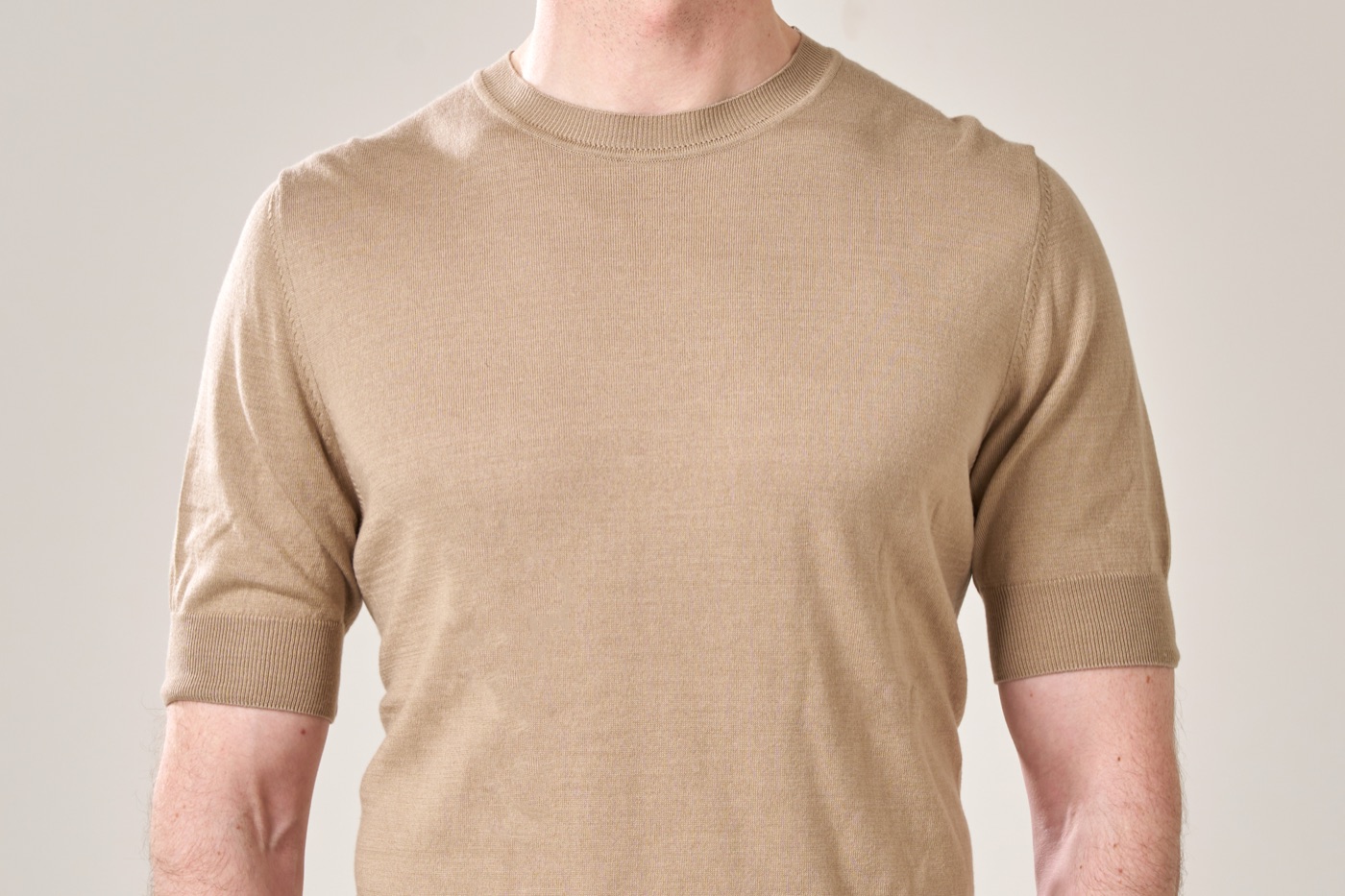
Our founder's own list started with problem #4 below — it's the reason this company exists — but let's go through all of them, roughly in order of how often they ruin an otherwise good outfit.
1. The shirt untucks itself by 11 a.m.
The problem: You tuck it in crisp at 8, and by mid-morning it's ballooning out of your waistband.
The fix: First check length — a shirt that barely reaches your fly can't stay tucked; you need several inches past the waistband. Then use the military tuck: pinch the excess fabric at each side seam, fold it backward, and tuck flat. Takes ten seconds and survives a full day of sitting and standing. If a shirt is both short and wide, no technique saves it; that one's a lost cause.
2. Buttons gape across the chest
The problem: The placket pulls open between buttons, flashing skin every time you move.
The fix: The shirt is too small across the chest — either size up and have the waist tailored in (a $15–25 alteration), or look for cuts labeled "athletic fit" that add chest room without the tent effect. Stopgap for a shirt you're wearing today: double-sided fashion tape between the buttons. But tape is a patch on a fit problem; the tailor is the cure.
3. Permanent wrinkles, especially the collar and placket
The problem: You ironed it, and it still looks tired an hour later.
The fix: Pull shirts from the dryer slightly damp and hang them immediately — most wrinkles set during that last ten minutes of over-drying. A handheld steamer beats an iron for speed. And when buying, medium-weight cotton twill resists wrinkles far better than thin poplin. If you hate maintenance, buy the fabric that doesn't demand it.
4. Show-through: the problem nobody mentions
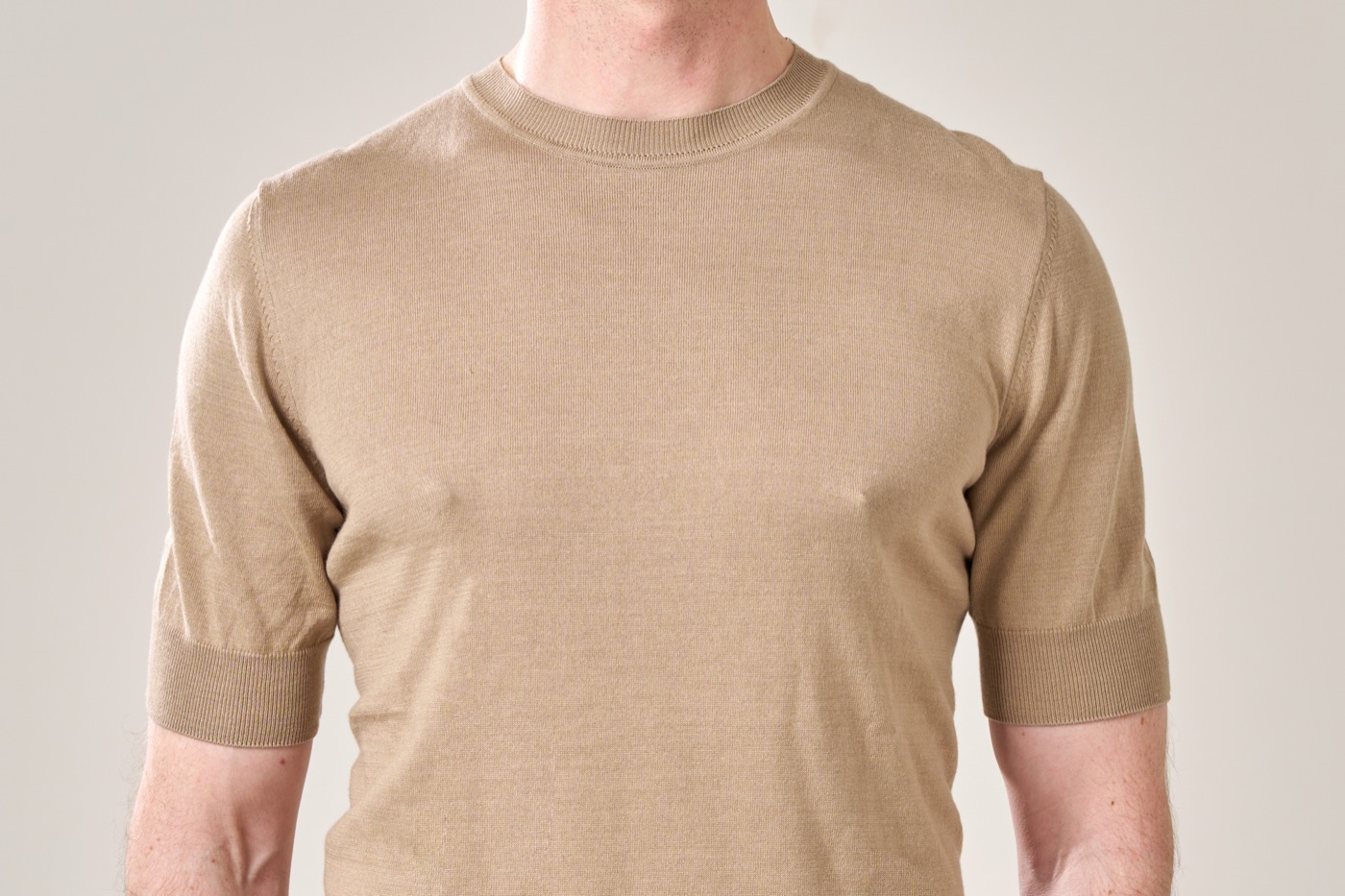
The problem: Under white or light-colored dress shirts, your chest shows through — specifically, a visible outline in two spots that makes a professional shirt feel anything but. It's the reason a lot of men quietly avoid white shirts altogether, and almost nobody talks about it.
The fix: This is the one our founder couldn't solve for years — he assumed the options were a hot undershirt or just never wearing thin shirts with confidence. The actual answer is a thin, skin-tone nipple patch designed for men: it sits flat against the skin, matches your tone, and makes even a white poplin shirt read completely clean. No extra layer, no heat, no visible edges. Unlike an undershirt, it works in summer; unlike tape or bandages, it's built to wear all day and peel off without a fight. If white shirts have been sitting unworn in your closet, this is the fix that puts them back in rotation.
5. The collar collapses or curls
The problem: Your collar points curl up or the whole collar flattens under a jacket.
The fix: Collar stays. Most decent shirts have pockets for removable ones — buy a set of metal stays (a few dollars, lasts forever) and stop losing the plastic ones to the washing machine. Store shirts buttoned at the top so the collar keeps its shape between wears.
6. Sweat marks at the underarms
The problem: Visible damp rings by lunch, and yellow stains over time.
The fix: Apply antiperspirant at night, not in the morning — it needs dry skin and time to work. For heavy sweaters, an undershirt with underarm protection or sweat guards helps. The yellow staining is your antiperspirant's aluminum reacting with sweat: less product, fully dry before dressing, and wash shirts promptly.
7. Sleeves are the wrong length
The problem: Cuffs swallow your hands, or ride up to mid-forearm.
The fix: Cuffs should end at the wrist bone, with about a half-inch showing past a jacket sleeve. Too long is a cheap tailoring fix (shortening from the cuff); too short can't be fixed — return it. When buying online, brands with sleeve-length options (32/33, 34/35) beat S/M/L sizing every time.
8. The fabric goes sheer in daylight
The problem: The shirt looked opaque in the store's lighting and turns translucent outside.
The fix: Test with your hand inside the fabric before buying — visible fingers mean a see-through shirt. Favor twill, oxford, and herringbone weaves over thin poplin. And for the light shirts worth wearing anyway, the same skin-tone patch from problem #4 handles the most visible part of the issue so sheer-ish fabric stops being a dealbreaker.
The bottom line
Every dress shirt problem on this list is either a fit issue (tailor), a fabric issue (buy smarter), or an underneath issue (two-second fix). Handle them once and the dress shirt becomes what it should be: the easiest sharp thing you own.
FAQ
Why does my chest show through my dress shirt? Light fabric over darker skin areas creates visible contrast, especially where the shirt sits flat against the chest. A thin skin-tone nipple patch removes the outline without adding an undershirt layer.
Are undershirts necessary under a dress shirt? Not always. They help with sweat in cooler months, but they add heat and bulk. In summer or under fitted shirts, a patch covers the visible spot while keeping the shirt a single layer.
How much does it cost to fix a dress shirt that fits badly? Slimming the body runs about $15–25 and shortening sleeves about the same — far cheaper than replacing shirts, and it turns an okay shirt into one that looks made for you.