

Nipple Patches for a Sweater: How to Pick Ones That Actually Disappear
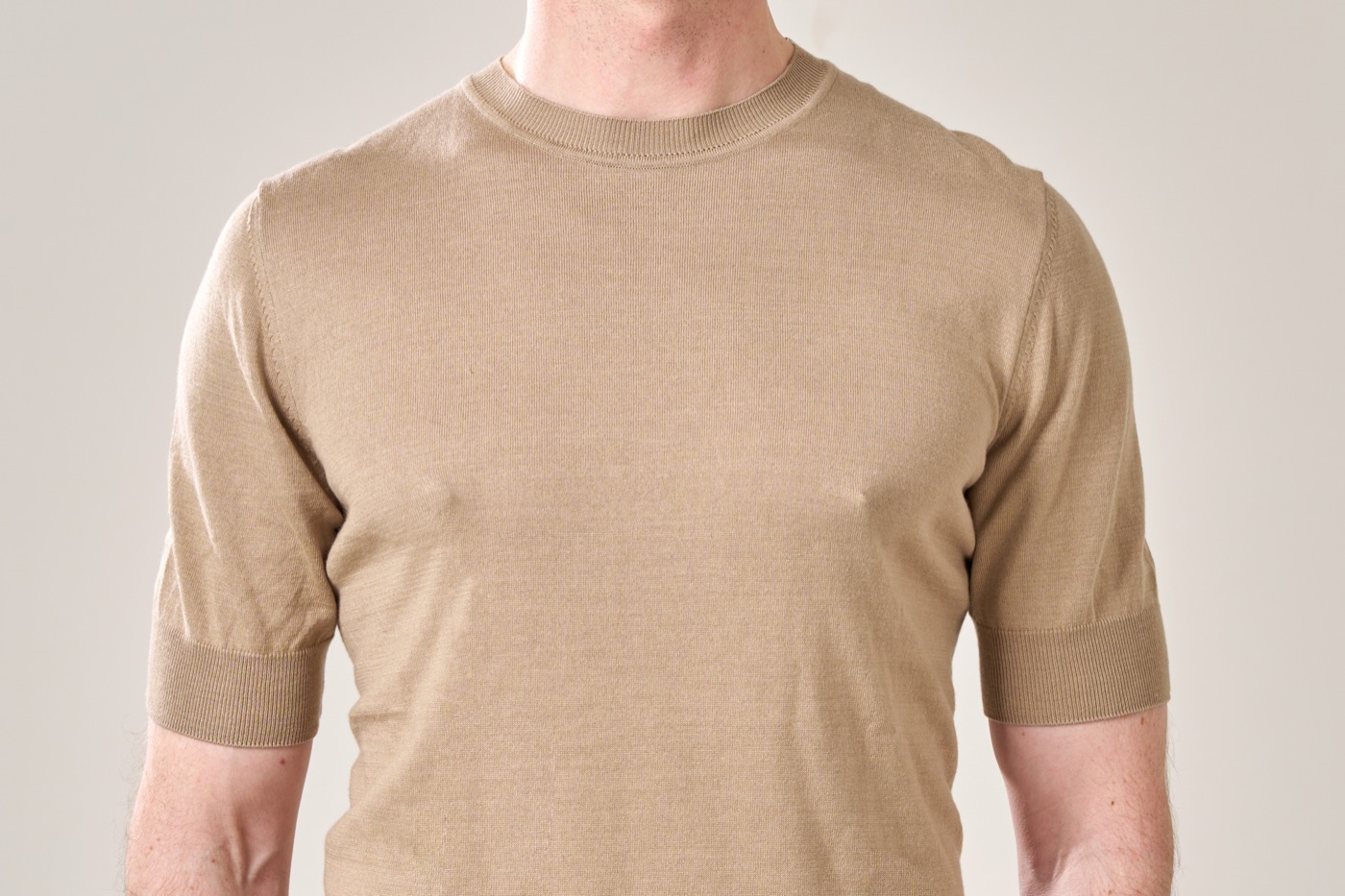
A good sweater is the most flattering thing most men own — and also the most revealing. Fine merino, cashmere, a thin cotton crewneck: they drape, they cling, and they telegraph every detail underneath. Which is why a lot of guys who own beautiful knitwear end up wearing a t-shirt under everything, or quietly rotating the same two chunky charcoal sweaters all winter.
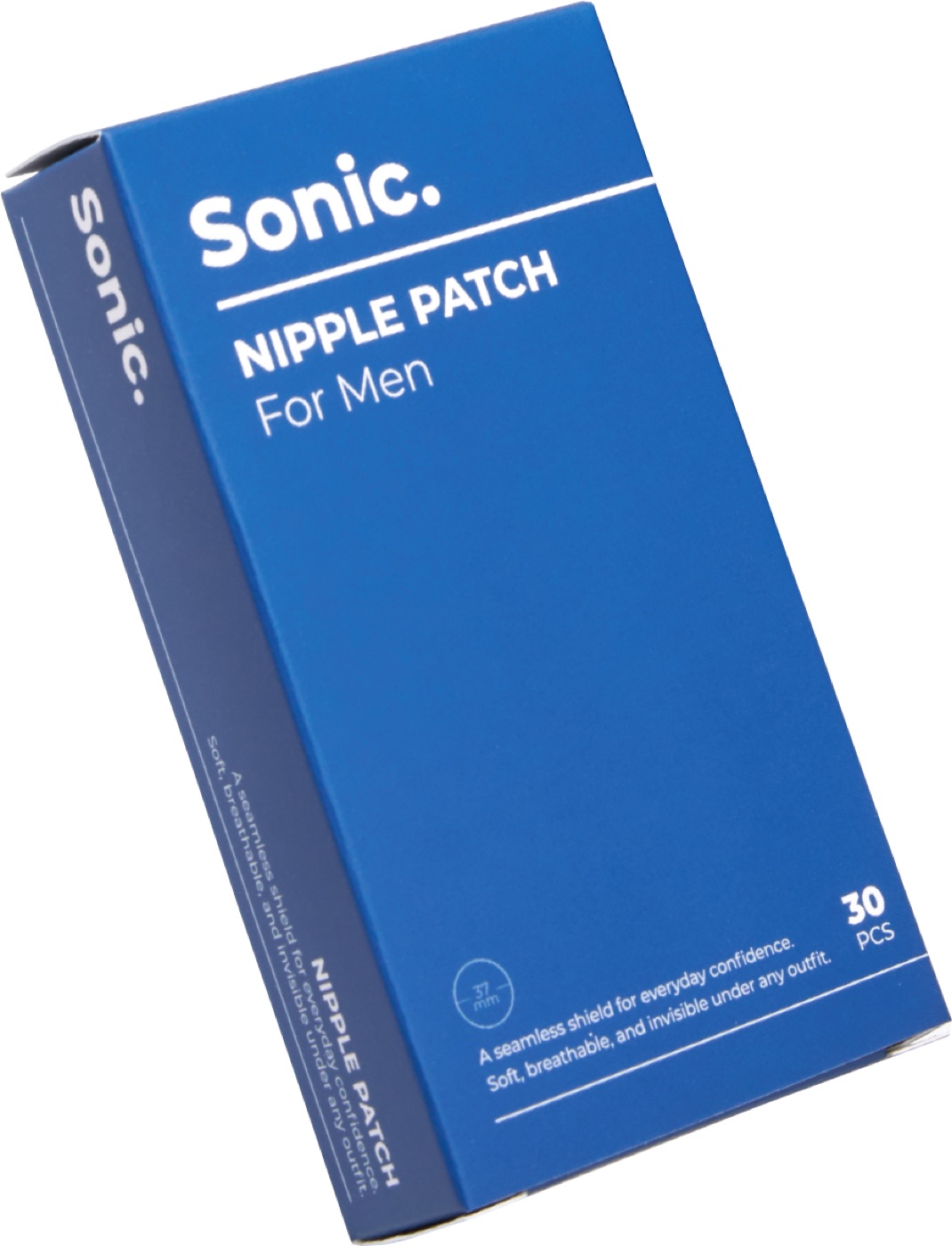
Nipple patches for a sweater fix that in about four seconds. But not all of them survive knitwear — sweaters are a harder test than a dress shirt, and cheap patches fail in ways that are worse than the original problem. Here's what actually separates the good ones.
Why knitwear is the hardest test
A poplin dress shirt is a smooth, structured surface. It holds its own shape. Knit is the opposite: it's a flexible mesh that conforms to whatever is under it, and it moves independently as you move. That means two things.
First, anything with an edge shows. Under a woven shirt, a slightly thick patch can hide. Under fine merino, that same edge reads as a faint circle — you've traded a nipple outline for a coaster outline, which is arguably worse.
Second, knit stretches over the day. A patch that adheres well at 9am but starts lifting at the perimeter by 2pm will catch on the inside of the knit and roll. You'll feel it before anyone sees it, and then you're in a bathroom stall fixing it.
What to look for
A tapered, feathered edge. This is the single most important spec and the one nobody advertises. The patch should thin out toward the perimeter so there's no step where it meets skin. Run your fingernail from the center outward — on a good patch you can barely tell where it ends. That's what keeps it invisible under cashmere.
Matte, not glossy. Fine-gauge knit lets a small amount of light through. A shiny patch can create a faint bright spot. Matte finish, every time.
Skin-tone, not white. White patches under a light-colored sweater are a genuinely common mistake — oatmeal, cream, and pale grey knits are exactly the colors that reveal a contrast patch.
A size that suits your chest, not a one-size-fits-nobody disc. Too small and the outline peeks at the edge; too large and there's more perimeter to lift. You want enough coverage to flatten the area completely with a little margin, and no more.
Adhesive that's rated for a full day, not an hour. Sweater weather means indoor heating, coats, and temperature swings. The adhesive needs to hold through a warm office and a cold commute without turning gummy. Our skin-tone nipple patches for men are built exactly for this: thin enough for fine knit, matte, and designed to peel off at the end of the day without taking skin with them.
What separates bad ones from good ones
Most of the bad options fall into three buckets.
Repurposed women's covers. Often thicker, sometimes silicone, often shaped and sized for a different purpose. Silicone in particular has a defined edge and a slight sheen — the two things you least want under knit.
Tape and bandages. They flatten well, which is why people reach for them, but the square shape is visible through thin fabric and removal is unpleasant. It's a fix for a wedding, not a system for a winter.
Ultra-cheap bulk patches. The adhesive is the tell. If they're two cents each, the glue is either too weak (lifts by lunch) or too aggressive (leaves residue and hurts). Neither is what you want against skin, twice a day, all season.
The good version is boring in the best way: thin, matte, skin-tone, one motion to apply, and then you don't think about it again until you shower.
Why this changes how you dress
Here's the part that isn't about the product. Most guys who deal with show-through don't consciously decide to stop wearing thin fabrics — they just drift. Black instead of cream. Thick instead of fine. Layered instead of a single beautiful sweater worn on its own. Over a few years your closet quietly narrows to a uniform built around one insecurity, and you tell yourself you just prefer darker colors.
Solving it gives the range back. A cream fisherman's knit with nothing underneath. Fine grey merino under a blazer. A thin cotton crewneck in July. Cashmere against skin, which is the entire point of cashmere and completely wasted if you're wearing a tee under it. That's the actual return here — not a patch, a wardrobe.
How to wear them under knit
Apply to clean, dry skin — no moisturizer or body oil in that area, which is the #1 cause of early lifting. Press from the center outward for a few seconds so the edge seals flat rather than bridging. Then get dressed and forget about them. If you're wearing something especially fine and pale, do the mirror check in daylight near a window, not under bathroom lighting — daylight is the honest test.
For removal, go slow at one edge rather than ripping. A quality patch releases cleanly; if yours requires courage, you bought the wrong ones.
The bottom line
Sweaters are where nipple patches either work or embarrass themselves. Look for a tapered edge, a matte skin-tone finish, and adhesive that lasts a full day, and the whole issue disappears. If you want the version made for exactly this, start with the Sonic Nipple Patch for men — then go buy the cashmere you've been talking yourself out of.
FAQ
Will a nipple patch show through a thin cashmere or merino sweater? Not if the edge is tapered and the finish is matte. Thick or silicone-style covers can leave a faint circular outline under fine-gauge knit — a thin, feathered patch won't.
Do I still need an undershirt with a sweater? No, and that's the point. Patches let you wear knitwear directly against skin, which is both more comfortable and how a good sweater is meant to drape.
Will they hold all day in winter, going between cold outside and heated indoors? Yes. A skin-safe adhesive built for full-day wear handles temperature swings and indoor heating without lifting or going gummy — just apply to clean, dry skin so nothing interferes with the bond.