

Thin Nipple Patches for Men: How to Pick a Pair That Actually Disappears
Here's the thing nobody tells you when you start shopping: thin nipple patches for men are not all the same kind of thin. Some vanish under a white oxford. Some leave two faint discs on your chest that look like you're smuggling coasters. The difference is a handful of specific details — and once you know them, you can spot a bad patch from the product photo.
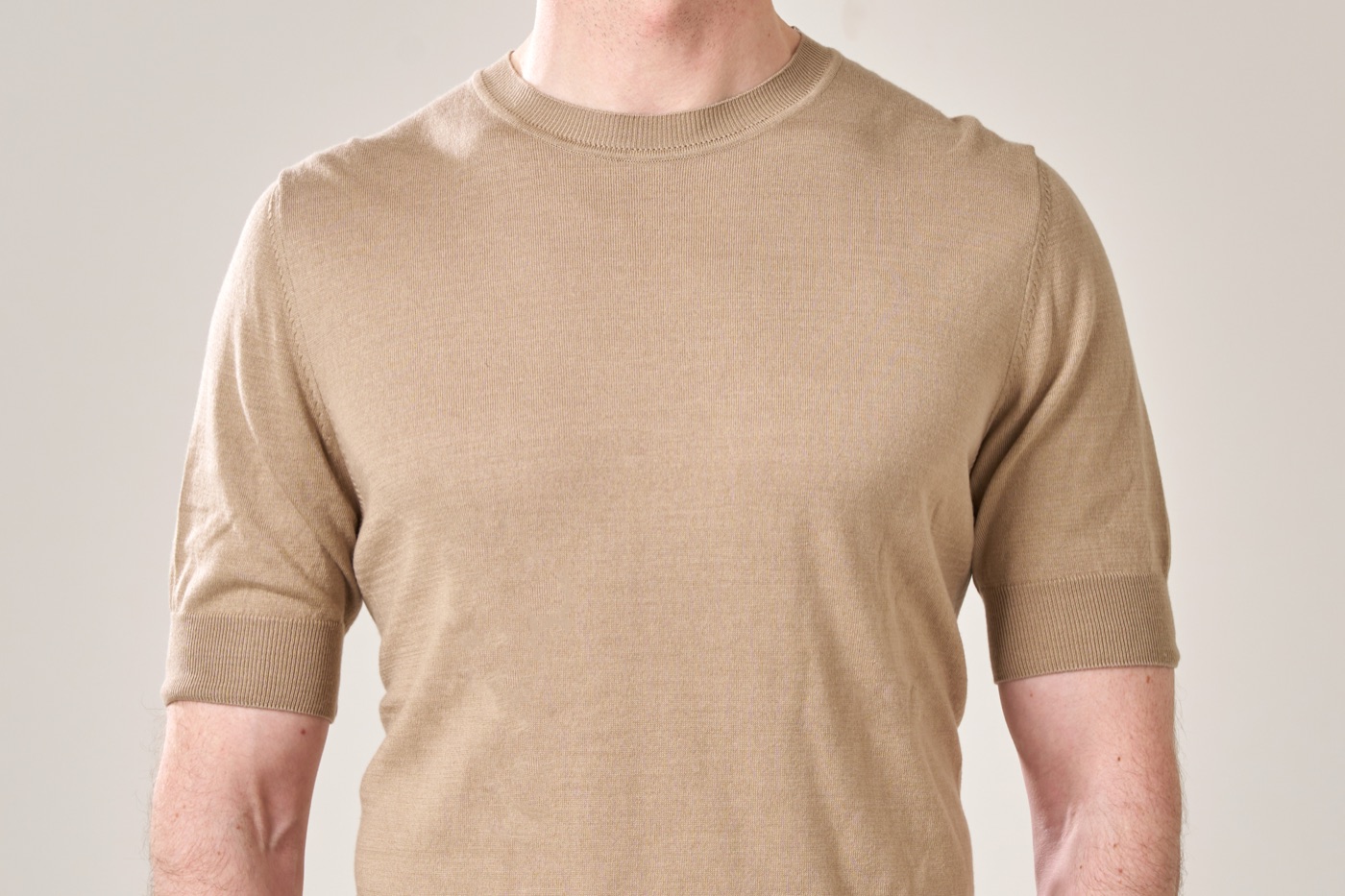
This is the buyer's guide. What to look for, what separates the good ones from the junk, and why each detail changes what you can actually put on in the morning.
Why thinness is the whole ballgame
A patch has one job: solve one problem without creating a second one. A thick patch trades a nipple outline for a patch outline, which is arguably worse — at least the first one is anatomy.
And thinness is exactly what unlocks the wardrobe. The shirts that expose the problem are the same shirts that expose a bad patch: white tees, poplin dress shirts, fine-gauge merino, cashmere, lightweight polos, linen in July, anything in a colour brighter than charcoal. If you've spent years quietly building a wardrobe of black, navy, and heavyweight cotton because those were the only safe options, a genuinely thin patch is what gets the rest of the closet back.
1. Look at the edge, not the middle
Everyone markets "ultra-thin." The middle of a patch being thin is table stakes. What actually shows through fabric is the edge — the perimeter where the patch stops and your skin starts.
A cheap patch is die-cut flat, so the rim sits like a tiny step against the skin. Under a thin white tee, side lighting catches that step and you get a visible ring. A good patch has a tapered or feathered edge that thins out to nothing, so there's no line for the light to find.
How to check before you buy: look for a product photo of the patch on skin, from an angle, not flat on a table. If the brand only ever shows it flat, that's usually because the edge doesn't survive an angled photo.
2. Matte finish, always
Skin isn't glossy, so a patch shouldn't be either. Shiny patches read as plastic under direct light — overhead office lighting, a restaurant spot, a phone flash in a group photo. A matte surface diffuses light the same way skin does, which is most of why a good patch reads as "nothing there" rather than "something there."
Related tell: a patch that looks wet or slick in the marketing photos will look the same on you.
3. Size it smaller than you think
The instinct is to buy big for "full coverage." Big is the wrong move. An oversized patch has more perimeter to hide and more surface to wrinkle when you move, and it tends to bridge over the natural contour of your chest instead of following it.
You want a patch sized to the areola plus a small margin — enough to flatten and cover, not enough to become its own shape. Our nipple patches for men are cut to that spec on purpose: coverage where it matters, nothing extra to telegraph through a shirt.
4. Skin tone beats "nude"
"Nude" in this category has historically meant one shade, and it's rarely yours. Under thin white cotton, a patch that's too dark shows as a shadow and one that's too pale shows as a bright spot. Either way you've swapped one visible thing for another.
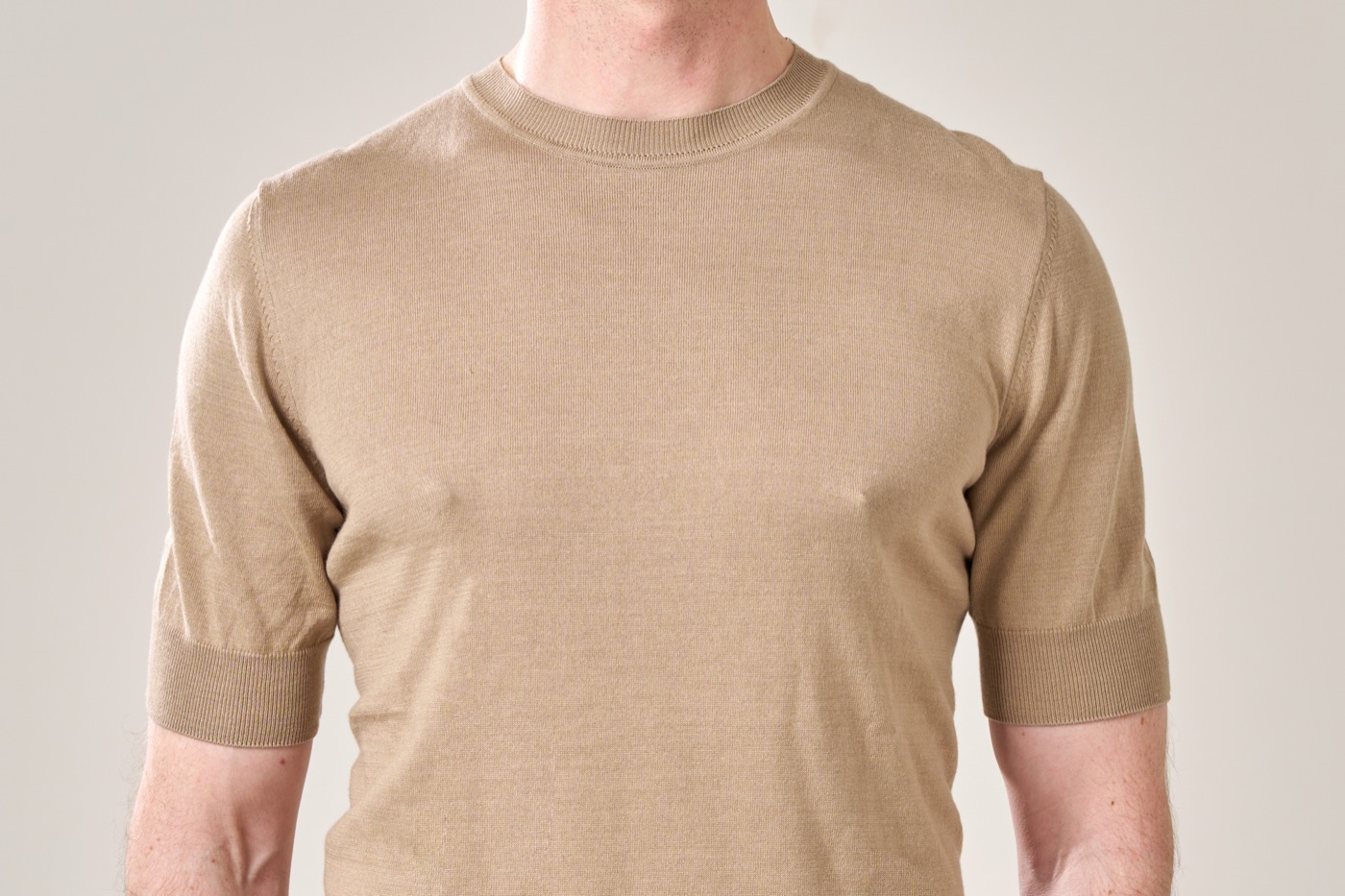
Look for a tone that's matched to actual skin rather than a generic beige, and — this matters — check it in daylight, not bathroom light, the first time you wear it. Under coloured or patterned shirts none of this is critical. Under white, it's the whole game.
5. Adhesive: skin-safe, and it has to survive a normal day
Thin and secure are in tension — the cheapest way to make a patch feel thin is to skimp on adhesive, and then it curls at the edge by lunch. A curled edge is a visible edge.
What you want is a medical-grade, skin-safe adhesive that holds through a full day, a warm room, a crowded train, and a shirt change, then peels off cleanly. Not tape-level grab that takes hair with it. Not sticker-level grab that quits at 2pm.
Quick test on your first wear: put one on in the morning and check the perimeter after eight hours. If it's still flush at the rim, you have a good one.
6. Wear-count honesty
Some patches are single-use, some are reusable for a stretch of wears. Both are fine — what isn't fine is a brand being vague about it, because that usually means "reusable" is technically true and practically not. If you're buying for a specific week (a wedding, a trip, a run of client meetings), count the wears you need and buy to that number rather than guessing.
What this actually buys you
Not a solved cosmetic problem. A wardrobe.
The real upgrade shows up on a Tuesday when you put on the white tee you bought two summers ago and never wore, or the pale linen shirt you kept talking yourself out of, and you leave the house without doing the mirror check twice. That's the point of getting the specs right — the patch stops being a thing you think about, and thin fabric stops being a category you avoid.
If you want the short version: matte, tapered edge, sized right, skin-toned, skin-safe adhesive. That's the spec we built the Sonic Nipple Patch to hit, and it's the same checklist to hold any nipple cover to before you spend money on it.
FAQ
How thin does a nipple patch need to be to work under a white t-shirt? Thin enough that the edge is undetectable by touch — that's the practical test. Total thickness matters less than edge taper; a slightly thicker patch with a feathered rim disappears better than a razor-thin one that's die-cut flat.
Will a thin patch stay on all day, or do I trade grip for thinness? You shouldn't have to trade. Thinness comes from the backing material, grip comes from the adhesive — they're separate specs. A well-made thin patch holds through a full day and a warm room without the edges lifting.
Can I wear thin nipple patches under a dress shirt without anyone noticing? Yes, and dress shirts are the easiest case — poplin and twill sit slightly off the body compared to a fitted tee. The demanding scenario is a thin white tee in bright light, so if a patch passes that, it passes everything in your closet.